
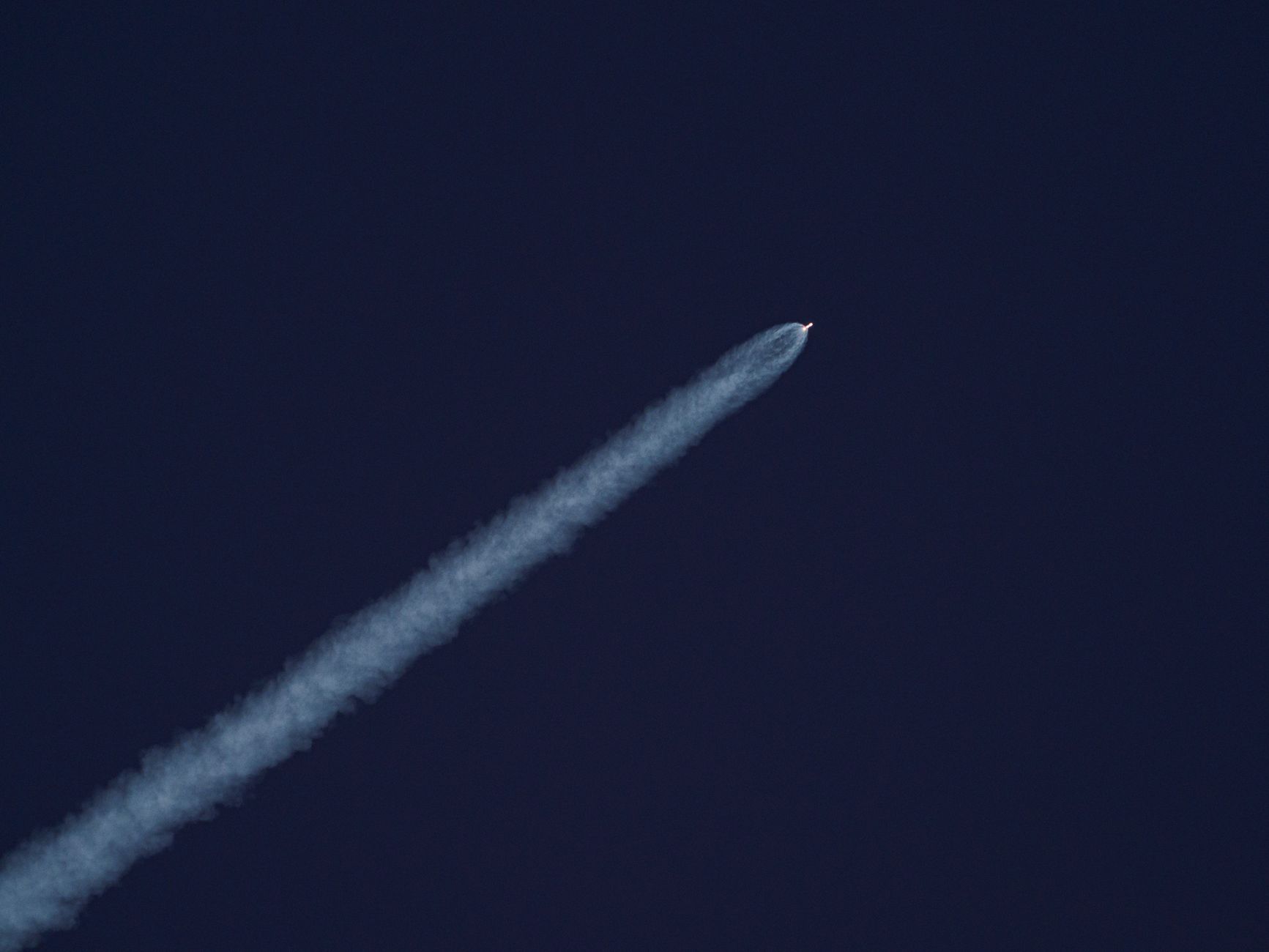
Kuaizhou-11 rocket launch marks a significant achievement in space exploration, successfully deploying two satellites into orbit. This event highlights China’s growing capabilities in the aerospace sector.
Overview of the Kuaizhou-11 rocket
The Kuaizhou-11 rocket is a significant advancement in China’s space capabilities, designed to enhance satellite deployment and contribute to various scientific endeavors. This carrier rocket, part of the Kuaizhou series, aims to provide reliable and cost-effective access to space.
One of the distinguishing features of the Kuaizhou-11 is its rapid launch capability, allowing for quick turnaround times between missions. This characteristic is particularly beneficial for commercial satellite providers and governmental agencies that require timely access to space for their operations.
The latest launch of the Kuaizhou-11, designated as Y3, successfully placed two satellites into orbit, showcasing its reliability and effectiveness. This achievement not only underscores the rocket’s technical prowess but also highlights its role in supporting China’s growing presence in the global space arena.
Additionally, the Kuaizhou-11 rocket is designed with a focus on flexibility, accommodating various payloads and mission profiles. As a result, it is well-positioned to meet the diverse needs of the space industry.
- Rapid launch capability
- Cost-effective access to space
- Flexibility in payload and missions
Significance of the satellite launch
The recent launch of the Kuaizhou-11 rocket has significant implications for both technological advancement and economic development. As part of China’s growing capabilities in space exploration, this mission contributes to a broader understanding of satellite technology and its applications.
One of the key benefits of the Kuaizhou-11 rocket launch is its role in enhancing communication networks. The satellites deployed are expected to improve communication services across remote areas, thereby bridging the digital divide. This is particularly important for rural communities that rely on connectivity for education and commerce.
Additionally, the rocket’s successful mission demonstrates advancements in launch technology. The Kuaizhou-11 is designed for rapid deployment, allowing for more frequent launches at reduced costs. This efficiency can lead to increased investments in space-related projects and stimulate growth in the aerospace industry.
Moreover, the data gathered from the satellites will contribute to environmental monitoring and disaster management. By providing real-time data, these satellites can assist in tracking climate change effects and improving response strategies during natural disasters.
In summary, the Kuaizhou-11 rocket launch presents numerous proven benefits that extend beyond mere exploration, impacting society in various beneficial ways.
Technical specifications of the Kuaizhou-11
The Kuaizhou-11 rocket, known for its rapid launch capabilities, boasts several impressive technical specifications that underline its efficiency and reliability. This rocket is designed to carry small to medium-sized payloads into low Earth orbit.
Key specifications of the Kuaizhou-11 include:
- Height: Approximately 20 meters
- Diameter: 2.5 meters
- Launch Mass: Around 30 tons
- Payload Capacity: Up to 300 kilograms to a sun-synchronous orbit
- First Stage Engine: A cluster of four YF-100 engines
- Burn Time: Approximately 120 seconds for the main stage
The Kuaizhou-11 rocket launch system is also notable for its quick turnaround time, enabling launches within days of preparation. This capability is critical for responding to urgent satellite deployment needs. With its cost-effective design and high launch frequency, the Kuaizhou-11 is set to play a significant role in China’s space ambitions, enhancing its satellite capabilities and supporting various technological advancements.
Future missions planned by China
China has ambitious plans for future missions utilizing the Kuaizhou-11 rocket. Following the recent successful launch of the Kuaizhou-11 Y3 carrier rocket, which deployed two satellites into orbit, the country aims to expand its capabilities in both commercial and scientific ventures.
The upcoming missions are expected to include:
- Enhanced Satellite Deployments: The Kuaizhou-11 rocket will facilitate the launch of additional satellites aimed at improving communication networks and Earth observation capabilities.
- International Collaboration: China is exploring partnerships with other countries to leverage the Kuaizhou-11 for joint missions, enhancing global access to space technology.
- Scientific Research: Future launches will focus on scientific satellites designed for climate monitoring, disaster management, and agricultural development.
- Commercial Opportunities: The Kuaizhou-11 is positioned to support the growing satellite industry, providing reliable and cost-effective launch services for private companies.
These future missions not only highlight the benefits of the Kuaizhou-11 rocket launch but also underscore China’s commitment to becoming a key player in the global space landscape.
Impact on global space initiatives
The recent launch of the Kuaizhou-11 rocket has made a significant impact on global space initiatives, highlighting China’s growing capabilities in space exploration and satellite deployment. This launch, which successfully placed two satellites into orbit, showcases the enhanced technological advancements achieved through the Kuaizhou-11 program.
As nations worldwide continue to invest in their space programs, the Kuaizhou-11 rocket launch serves as a reminder of the competitive nature of the global space race. The rocket’s reliability and cost-effectiveness are attracting attention from various countries looking to develop their satellite capabilities without the high expenses typically associated with traditional launch vehicles.
Several key benefits arise from the Kuaizhou-11’s success:
- Increased Access: The rocket facilitates more frequent launches, providing greater access to space for countries and organizations that may lack their own launch capabilities.
- International Collaboration: The advancements in the Kuaizhou-11 program open doors for potential collaborations with foreign entities seeking to utilize China’s launch services.
- Technological Innovations: The launch contributes to the global pool of knowledge in rocket technology, encouraging innovation across the industry.
In conclusion, the Kuaizhou-11 rocket launch not only underscores China’s ambitions but also enhances the collaborative landscape of global space initiatives.
The Kuaizhou-11 rocket launch has demonstrated significant advancements in payload capacity, making it a valuable asset for commercial satellite deployments. Additionally, the Kuaizhou-11 rocket launch is expected to enhance China’s capabilities in space exploration and technology development.
Photo by Dirk Schuneman on Pexels