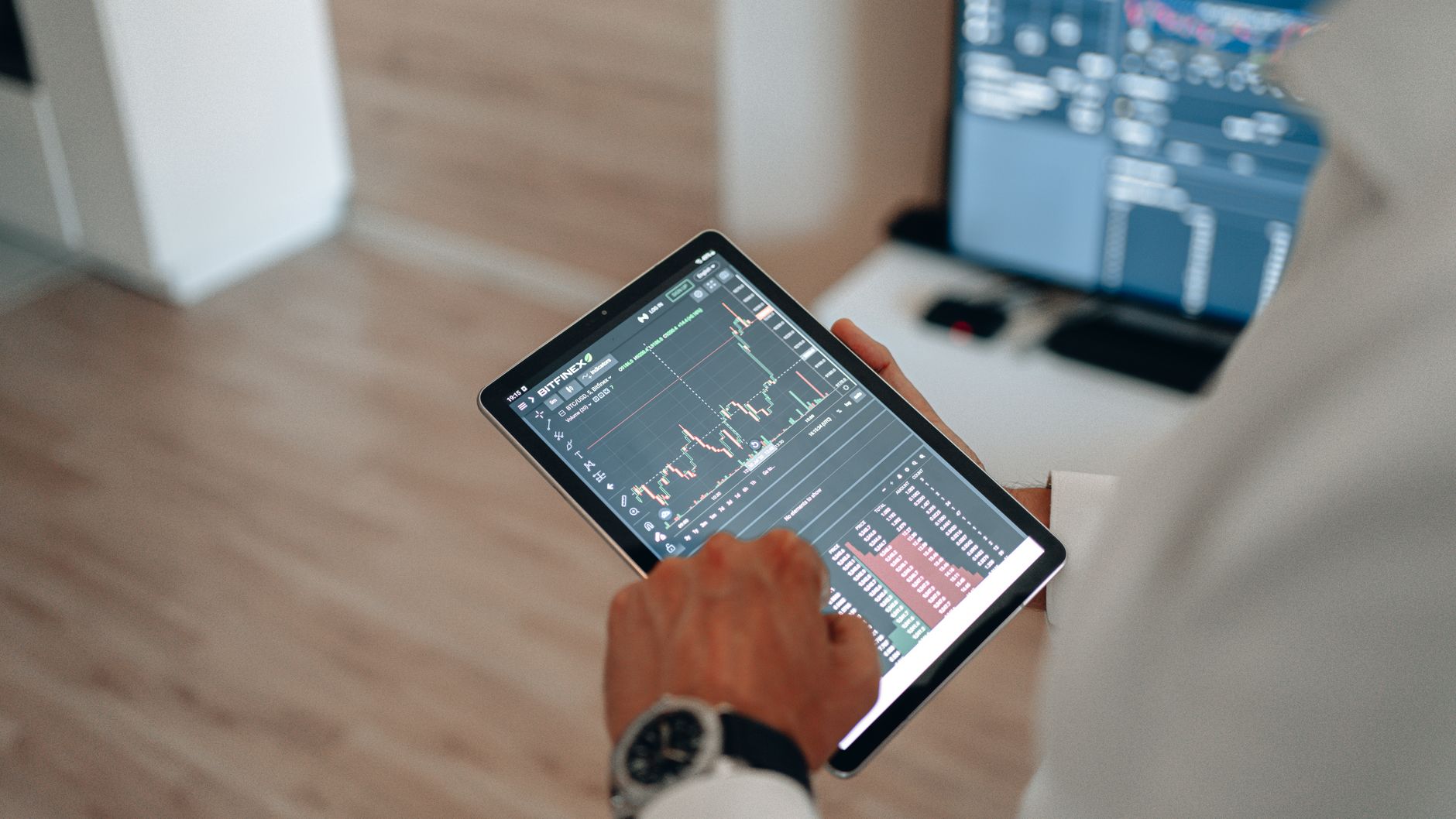
Tokenized stocks trading is revolutionizing how investors engage with major companies. With the launch of Robinhood’s new service on Hedera, users can trade stocks like Apple and Tesla around the clock.
What Are Tokenized Stocks?
Tokenized stocks represent a digital version of traditional stocks, allowing investors to trade a fraction of a share on blockchain technology. This innovative approach enhances accessibility and liquidity, enabling users to engage in tokenized stocks trading without the need for a traditional brokerage account.
Unlike conventional stock trading, which typically operates during specific market hours, tokenized stocks can be traded 24/7. This flexibility appeals to a broader audience, including those in different time zones. Recently, platforms like Robinhood have begun offering tokenized stocks on the Hedera blockchain, featuring popular companies such as:
- Apple
- Tesla
- Nvidia
- SPY (S&P 500 ETF)
Investors can buy and sell these tokenized assets with ease, often at lower fees than traditional trading platforms. Additionally, the use of blockchain technology ensures transparency and security, making tokenized stocks an attractive option for those looking to diversify their investment portfolios.
How Does Tokenized Stocks Trading Work?
Tokenized stocks trading allows investors to buy and sell fractions of shares through blockchain technology. This innovative approach transforms traditional stocks into digital assets, providing greater accessibility and flexibility for traders.
Here’s how the process generally works:
- Tokenization: A company’s stocks are converted into digital tokens that represent ownership. Each token corresponds to a specific number of shares.
- Blockchain Technology: These tokens are stored on a blockchain, ensuring transparency and security in transactions.
- 24/7 Trading: Unlike traditional stock markets, tokenized stocks can be traded around the clock, allowing investors to capitalize on market movements at any time.
- Fractional Ownership: Investors can purchase a fraction of a stock, making it more affordable to invest in high-value companies like Apple or Tesla.
- Lower Fees: Trading tokenized stocks often incurs lower fees compared to traditional brokerage services, making it an economical choice for many.
Overall, tokenized stocks trading represents a significant shift in the investment landscape, catering to a new generation of investors seeking smart and flexible options.
Benefits of Trading Tokenized Stocks
Tokenized stocks trading offers a multitude of benefits for investors looking to enhance their trading experience. One of the most significant advantages is the accessibility it provides. By tokenizing traditional stocks, platforms enable users to invest in fractional shares of high-value companies like Apple and Tesla, making it easier for individuals with limited capital to enter the market.
Additionally, tokenized stocks trading operates 24/7, unlike traditional stock markets that have fixed trading hours. This flexibility allows investors to react to market changes in real time, making it possible to capitalize on opportunities as they arise.
The transparency and security that blockchain technology brings to tokenized stocks is another substantial benefit. Each transaction is recorded on a decentralized ledger, reducing the risk of fraud and ensuring that ownership is clear and verifiable.
Moreover, trading tokenized stocks can lead to lower fees compared to traditional brokerage services. With reduced costs and the ability to diversify portfolios efficiently, many investors are considering this innovative approach as a smarter way to invest.
In summary, the benefits of trading tokenized stocks present a compelling case for those looking to modernize their investment strategies.
Comparing Tokenized Stocks to Traditional Stocks
As the financial landscape evolves, investors are increasingly faced with the choice between traditional stocks and the emerging trend of tokenized stocks trading. Both methods offer unique advantages, but understanding their key differences is essential for making informed investment decisions.
Traditional stocks are shares of a company that are traded on established exchanges during specific hours. Investors benefit from a long history of market performance, regulatory oversight, and established trading practices. However, they can be limited by time constraints and market access.
In contrast, tokenized stocks represent a digital form of ownership, allowing for trading around the clock. This flexibility enables investors to capitalize on market movements at any time. Additionally, tokenized stocks often lower the barriers to entry, allowing fractional ownership, which can make investing in high-value stocks more accessible.
While traditional stocks have proven reliability, the advantages of tokenized stocks trading, such as enhanced liquidity and lower fees, are attracting a new generation of investors. Ultimately, the choice between the two will depend on individual investment strategies and preferences.
Future of Tokenized Stocks Trading
The future of tokenized stocks trading looks promising as advancements in blockchain technology continue to reshape the investment landscape. With platforms like Robinhood launching tokenized stocks on the Hedera network, investors can now trade popular assets such as Apple, Tesla, Nvidia, and SPY around the clock. This accessibility is a game changer for both retail and institutional investors.
As more trading platforms adopt tokenization, the potential for increased liquidity and fractional ownership will likely attract a broader audience. Investors can purchase fractions of expensive stocks, making it easier for those with limited capital to diversify their portfolios. Furthermore, the transparency and security offered by blockchain technology can enhance trust in the trading process.
However, challenges remain, including regulatory uncertainties and the need for improved integration with traditional financial systems. As the market adapts, the evolution of tokenized stocks trading could redefine how we think about ownership and investment, making it more inclusive and efficient.
Overall, the trajectory of this innovative trading method suggests a shift towards a more democratized investment environment, paving the way for smarter investing strategies in the coming years.
Photo by Alesia Kozik on Pexels