
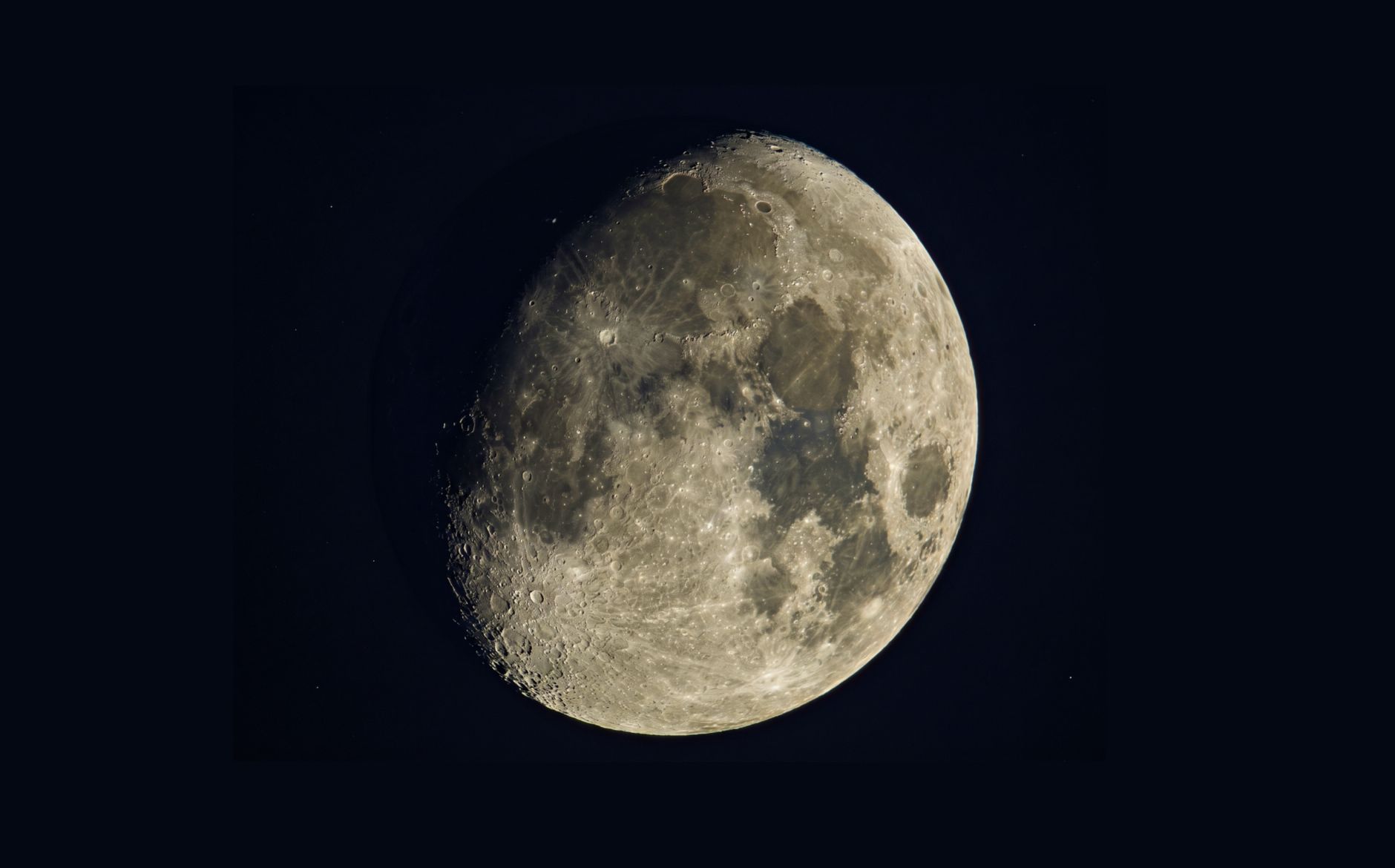
India’s first imaging satellite has successfully launched into geo-orbit, marking a milestone in the country’s space journey. This achievement highlights India’s growing capabilities in satellite technology.
Overview of India’s first imaging satellite
India has marked a significant milestone in its space exploration journey with the successful launch of its first imaging satellite. This groundbreaking achievement has been hailed by Prime Minister Narendra Modi, who emphasized the importance of this satellite in enhancing the country’s capabilities in various sectors.
The satellite is designed to provide high-resolution images of the Earth’s surface, which can be utilized for a multitude of applications, including:
- Agriculture: Monitoring crop health and land use.
- Urban Planning: Assisting in the development and management of cities.
- Disaster Management: Providing real-time data during natural disasters for better response strategies.
- Environmental Monitoring: Tracking changes in land use and natural resources.
As India’s first imaging satellite enters geo-orbit, experts believe it will play a crucial role in bolstering the nation’s technological advancements and contribute significantly to its economic growth.
Significance of the satellite launch
The successful launch of India’s first imaging satellite marks a significant milestone in the country’s space exploration efforts. This satellite is expected to enhance various sectors by providing high-resolution imagery and valuable data.
One of the key significances of this launch includes:
- Enhanced Agricultural Monitoring: The satellite will enable better monitoring of crop health and land use, contributing to improved agricultural productivity.
- Disaster Management: With timely and accurate imagery, authorities can respond more effectively to natural disasters, ensuring better preparedness and recovery.
- Urban Planning: High-resolution images will assist in urban development and infrastructure planning, allowing cities to grow sustainably.
- National Security: The satellite’s capabilities can bolster national security by providing critical information for defense and surveillance purposes.
Overall, India’s first imaging satellite stands as a testament to the nation’s growing capabilities in space technology, paving the way for future innovations and advancements.
Technological advancements in imaging satellites
The launch of India’s first imaging satellite marks a significant milestone in the nation’s space exploration journey. This satellite is equipped with state-of-the-art technology that enhances its imaging capabilities, enabling high-resolution photographs of the Earth’s surface.
Key advancements include:
- Improved Resolution: The satellite can capture images with greater detail, facilitating better analysis for agriculture, urban planning, and disaster management.
- Enhanced Data Processing: With onboard processing capabilities, the satellite can analyze data in real-time, allowing for quicker decision-making.
- Advanced Sensors: The integration of multi-spectral sensors allows for a broader range of applications, from environmental monitoring to military reconnaissance.
Moreover, the satellite’s design incorporates robust features that ensure longevity and reliability in geo-orbit, making it one of the most reliable imaging satellites in operation. As India embraces these technological advancements, the future of its space missions looks promising.
Future missions planned by ISRO
The Indian Space Research Organisation (ISRO) has ambitious plans for future missions following the success of India’s first imaging satellite. With advancements in satellite technology, ISRO aims to enhance its capabilities and contribute significantly to various sectors.
Upcoming missions include:
- Next-Generation Earth Observation Satellites: These will provide higher resolution images and improved data accuracy for agricultural monitoring, urban planning, and disaster management.
- Communication Satellites: Enhancing connectivity across remote regions, these satellites will support educational and healthcare initiatives.
- Interplanetary Missions: Plans are underway for missions targeting Mars and Venus, aimed at furthering our understanding of planetary sciences.
- Collaboration with Global Agencies: ISRO is looking to partner with international space organizations to expand its research and development capabilities.
These initiatives signify a commitment to not only advancing India’s first imaging satellite capabilities but also addressing global challenges through innovative space technology.
Global impact of India’s space program
The successful launch of India’s first imaging satellite has significant global implications for the country’s space program. As nations increasingly rely on advanced satellite technology for various applications, India’s entry into geo-orbit imaging positions it as a key player in the global space arena.
This milestone not only enhances India’s capabilities in Earth observation but also strengthens its position in international collaborations. Countries around the world are eager to harness India’s expertise in imaging satellites for diverse purposes, including agriculture, disaster management, and urban planning.
Furthermore, the new satellite is expected to contribute to global data sharing initiatives, facilitating cooperation in addressing climate change and environmental monitoring. With the growing demand for high-resolution imagery, India’s first imaging satellite could pave the way for commercial ventures, boosting the economy and creating job opportunities.
As India’s space program continues to evolve, the successful launch is a testament to the nation’s commitment to innovation and excellence in the field of aerospace technology.
Challenges faced during the launch
The launch of India’s first imaging satellite was not without its challenges. As the Indian Space Research Organisation (ISRO) prepared for this historic mission, a series of hurdles emerged that tested the team’s resolve and expertise.
- Weather Conditions: Unfavorable weather patterns threatened to delay the launch schedule, necessitating last-minute adjustments and a careful assessment of conditions.
- Technical Glitches: Prior to the launch, engineers encountered unexpected technical issues that required swift troubleshooting to ensure the satellite’s systems were functioning optimally.
- Resource Constraints: Limited resources and funding posed additional challenges, compelling ISRO to innovate and utilize existing technology efficiently to bring the imaging satellite to fruition.
- International Competition: As other nations advanced their own space programs, the pressure to succeed mounted, driving ISRO to ensure that India’s first imaging satellite would meet international standards.
Despite these obstacles, the successful deployment of the imaging satellite in geo-orbit marks a significant achievement for India’s space ambitions.
Public response to the satellite’s success
The successful launch of India’s first imaging satellite has generated an overwhelming public response, reflecting the nation’s pride in its space achievements. Many citizens took to social media to express their excitement and optimism about the potential benefits of this technological advancement.
Supporters of the mission highlighted several key aspects:
- Increased agricultural monitoring: Farmers are hopeful that the satellite will provide valuable data to improve crop yields.
- Disaster management: The satellite’s capabilities are expected to enhance disaster response efforts across the country.
- National security: Enhanced surveillance for border security is a significant concern for many citizens.
While some skeptics raised questions about the allocation of resources, most responses remained overwhelmingly positive. The sentiment reflects a collective belief in the potential of India’s first imaging satellite to not only bolster the nation’s technological prowess but also improve the quality of life for millions of citizens.
Photo by Sayan Samanta on Pexels
References
Discover the Top-Rated London Nuru Massage Experience · Data Science Course with Placements: Tech Stacks to Learn · Metadata Management: The Systematic Documentation of Data Lineage, Definitions, and Business Rules within the BI Ecosystem