
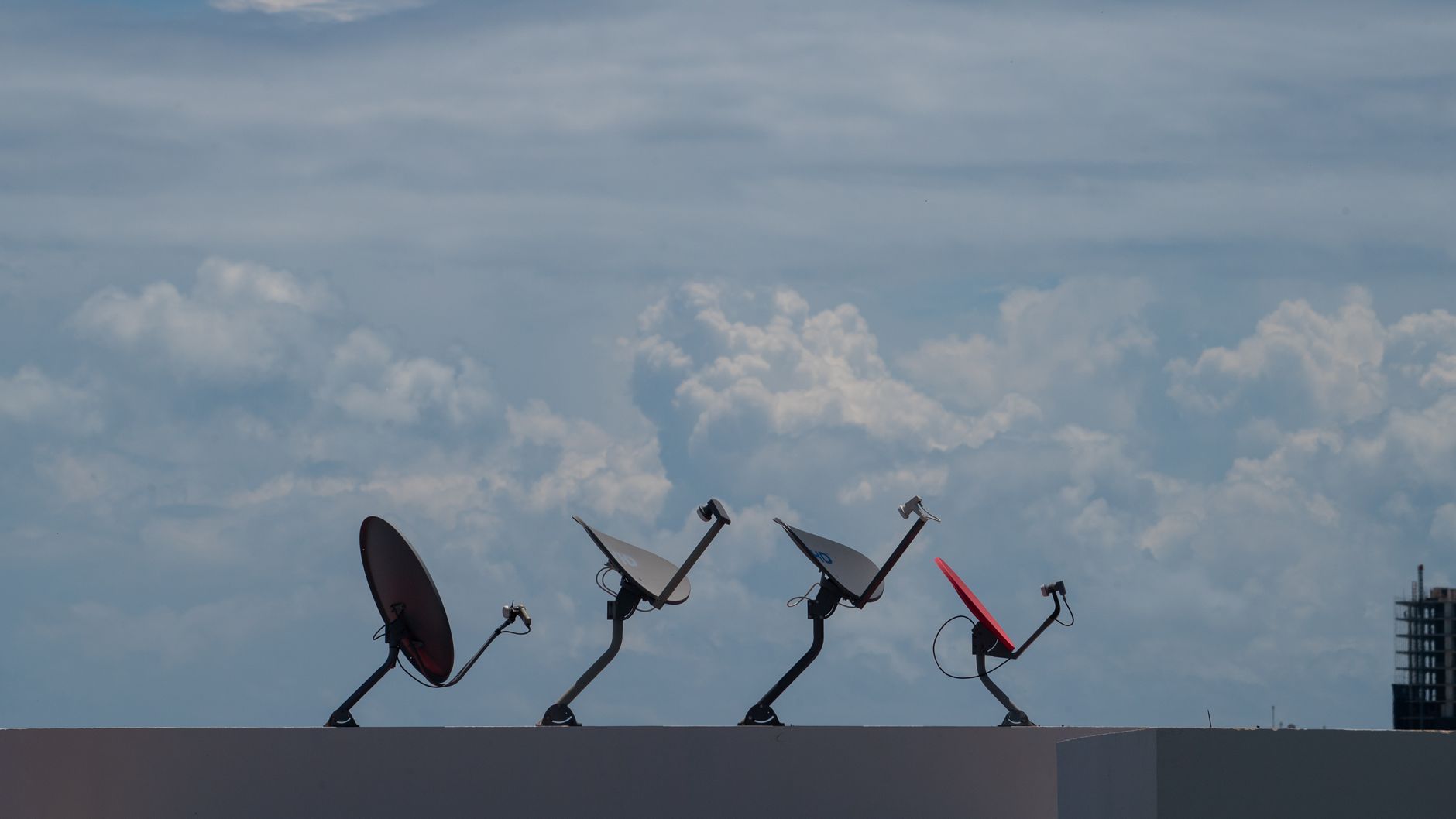
Russia satellite internet ambitions are facing significant challenges as Rassvet encounters setbacks in its quest to establish a competitive service similar to Starlink.
Challenges Facing Russia’s Satellite Internet
Russia’s satellite internet ambitions are facing significant challenges as the country attempts to establish a reliable network comparable to that of Western counterparts. The launch of Rassvet, Russia’s satellite internet initiative, has been marred by a series of setbacks that have raised questions about its future viability.
Key challenges include:
- Technical Failures: Several launches have failed, leading to a delay in the deployment of necessary infrastructure.
- Lack of Experience: Unlike established players such as SpaceX, Russia lacks the extensive experience in developing and deploying satellite constellations, which is critical for success in this sector.
- Funding Issues: Financial resources are limited, and government support has been inconsistent, affecting the overall progress of the satellite internet program.
- International Sanctions: Ongoing sanctions impact Russia’s ability to procure advanced technology, further complicating efforts to compete in the satellite internet arena.
These factors combined have left Russia’s satellite internet aspirations struggling to gain traction, highlighting the difficulties Moscow faces in expanding its technological capabilities.
Comparing Rassvet and Starlink
As Russia seeks to bolster its satellite internet capabilities, a comparison between its Rassvet network and SpaceX’s Starlink reveals significant disparities. While Starlink has successfully deployed thousands of satellites, providing global coverage and high-speed internet access, Rassvet is still in its infancy.
One of the main advantages of Starlink is its established infrastructure, which enables rapid deployment and scalability. Rassvet, on the other hand, has faced numerous setbacks, including failed launches and technical difficulties that have hindered its progress. The ambitious plans laid out by Moscow aim for a comprehensive satellite internet system, but challenges remain.
Key factors contributing to the disparity include:
- Coverage: Starlink’s extensive network already serves millions of users worldwide.
- Technology: SpaceX utilizes advanced technology to provide consistent speeds and low latency, which Rassvet struggles to match.
- Funding: Starlink benefits from significant private investment, while Rassvet relies heavily on government resources.
As it stands, Russia’s satellite internet ambitions face an uphill battle in competing with established players like Starlink.
The Future of Satellite Connectivity
The future of satellite connectivity in Russia is facing significant challenges as the nation strives to enhance its technological capabilities. Despite initial optimism around the development of Russia’s satellite internet, the recent setbacks have raised questions about the viability of these ambitions.
Experts believe that while Russia’s Rassvet system may eventually offer a competitive alternative to established players like Starlink, the current trajectory suggests a prolonged struggle. The Russian government has invested heavily in its satellite internet program, aiming to provide nationwide coverage and bridge the digital divide in remote areas.
However, the obstacles encountered, including technical failures and funding issues, have hindered progress. Russia’s satellite internet initiative requires not only advanced technology but also a stable infrastructure to support it. As the nation looks to the future, several key factors will influence the success of its ambitions:
- Investment in Research and Development: Continued funding is essential for innovation.
- Collaboration with International Partners: Building global alliances may enhance capabilities.
- Public and Private Sector Engagement: Involving various stakeholders can drive efficiency.
Without addressing these challenges, Russia’s aspirations for a robust satellite internet system may remain unfulfilled.
Moscow’s Ambitions in Space
Moscow’s ambitions in space have long been characterized by a vision of technological independence and global competitiveness. The recent developments in Russia’s satellite internet initiatives highlight both the aspirations and the challenges that lie ahead. Despite significant investments and efforts, the reality of deploying a functional satellite internet system remains elusive.
Key factors influencing Moscow’s space ambitions include:
- Technological Hurdles: The complexity of launching and maintaining a network of satellites presents ongoing challenges.
- International Isolation: Sanctions and geopolitical tensions have restricted access to critical technologies and partnerships.
- Financial Constraints: Budgetary limitations continue to hamper the scale and speed of satellite deployments.
- Competition: The dominance of established players like SpaceX’s Starlink has set a high bar for performance and reliability.
As Russia strives to establish its own satellite internet capabilities, the setbacks encountered serve as a stark reminder of the difficulties in achieving such ambitious goals. The future of Russia’s satellite internet program remains uncertain, with many wondering if it can ever reach the heights of its global competitors.
Despite significant investments, the challenges facing the Russia satellite internet project have hindered its progress. As a result, Moscow’s ambitions to establish a robust satellite network are facing unprecedented setbacks.
Photo by Margo Evardson on Pexels
Read the original
You might also like
Intel stock surge: What’s the Real Reason Behind It? · Boat Airdopes Prime 800D: Best Smart Audio with Proven Battery Life · AI infrastructure growth: Microsoft’s Bold New Cloud Move