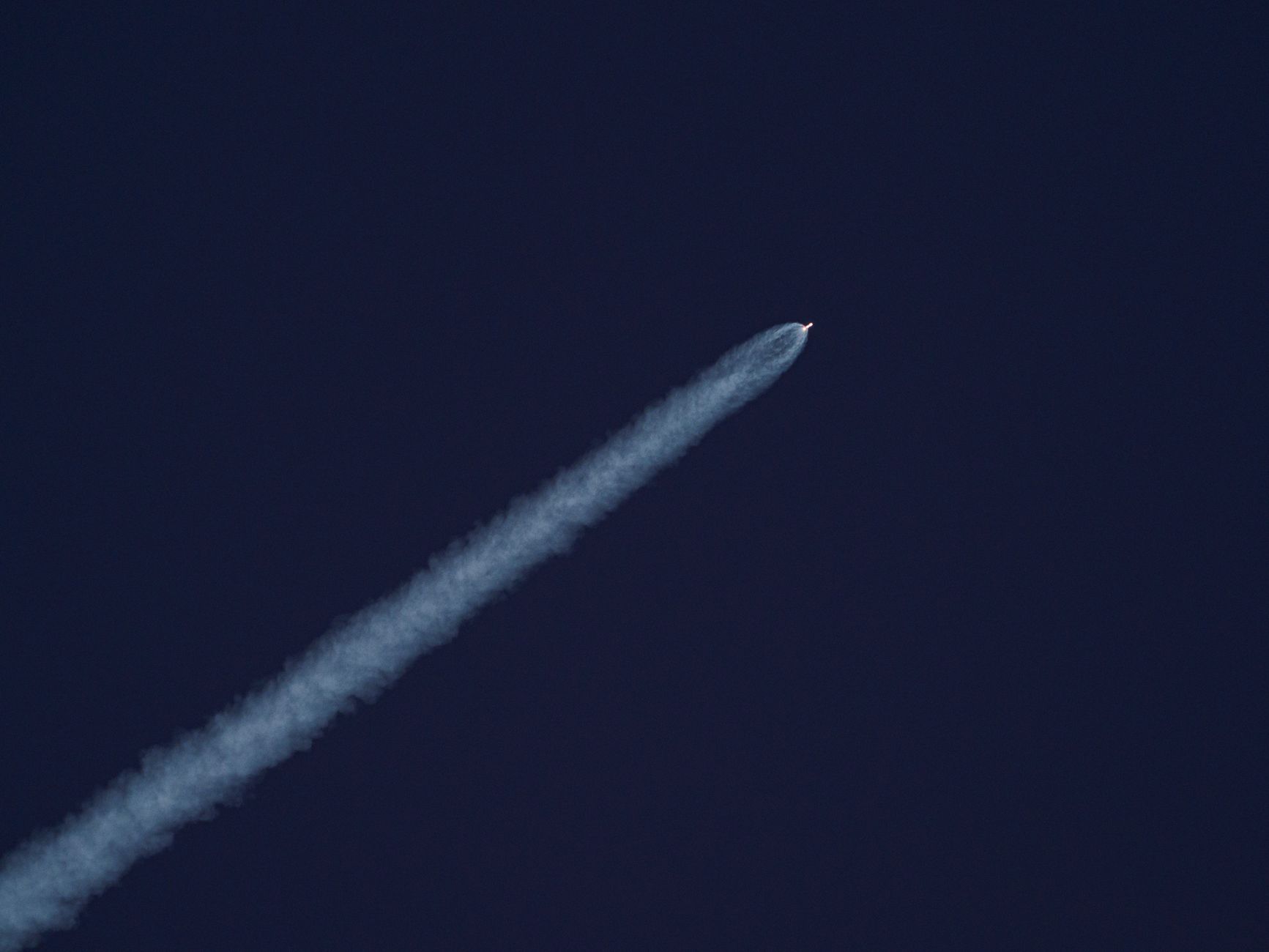
Nuri rocket launch marks a pivotal moment in South Korea’s space exploration efforts. This homegrown rocket successfully carried 15 satellites into orbit, showcasing the nation’s growing capabilities in aerospace technology.
Overview of the Nuri Rocket Launch
The recent Nuri rocket launch marks a significant milestone in South Korea’s space exploration efforts. This homegrown rocket successfully took to the skies, demonstrating the country’s advancing capabilities in aerospace technology. The launch, which took place from the Naro Space Center, aimed to deploy 15 satellites into orbit, showcasing South Korea’s commitment to developing its own space infrastructure.
Designed to carry payloads of up to 1.5 tons, the Nuri rocket is a testament to years of research and development. The project has garnered attention both domestically and internationally, reflecting South Korea’s ambitions to become a major player in the global space industry. Key features of the Nuri rocket include:
- Indigenous Technology: Developed using local resources and expertise, highlighting national capabilities.
- Payload Capacity: Ability to carry multiple satellites at once, enhancing operational efficiency.
- Future Missions: Plans for subsequent launches to further explore space and enhance satellite communication.
This successful Nuri rocket launch not only reinforces South Korea’s strategic position in the space sector but also opens up new possibilities for scientific research and technological advancements.
Significance of Launching 15 Satellites
The recent Nuri rocket launch marks a significant milestone for South Korea’s space exploration efforts, particularly with the successful deployment of 15 satellites. This achievement not only demonstrates the technological advancements in the country’s aerospace sector but also serves multiple strategic purposes.
Firstly, the launch enhances South Korea’s capabilities in satellite technology, allowing for improved communication, weather forecasting, and Earth observation. The satellites deployed during this mission include:
- Communication satellites for better connectivity across the nation.
- Earth observation satellites that will aid in monitoring environmental changes.
- Scientific research satellites designed to advance knowledge in various fields.
Furthermore, the successful Nuri rocket launch elevates South Korea’s position in the global space community. It showcases the country’s ability to develop its own launch vehicles, reducing reliance on foreign technology. This is a crucial step toward achieving greater autonomy in space exploration.
In conclusion, the launch of these 15 satellites is not only a testament to South Korea’s engineering capabilities but also a pivotal moment for its aspirations in the realm of space progress.
Technological Advancements in South Korea’s Space Program
The recent Nuri rocket launch marks a pivotal moment in South Korea’s quest for space exploration and technological advancement. This successful mission showcases the nation’s growing capabilities in aerospace engineering and satellite deployment.
Significant technological advancements have been made in various aspects of the Nuri rocket’s design and functionality, including:
- Engine Development: The Nuri rocket is powered by advanced engines that enhance thrust and efficiency, allowing for greater payload capacities.
- Guidance Systems: State-of-the-art navigation and control systems ensure precise trajectories, contributing to the successful deployment of multiple satellites.
- Materials Science: Innovations in lightweight materials have improved the rocket’s overall performance while reducing costs associated with launches.
- Communication Technology: Enhanced communication systems facilitate better data transmission and operational coordination during missions.
As South Korea continues to build on the success of the Nuri rocket launch, the nation is poised to become a significant player in the global space arena. These advancements not only bolster national pride but also pave the way for future collaborations in space exploration and scientific research.
Future Implications for South Korean Space Missions
The successful Nuri rocket launch marks a pivotal moment for South Korea’s ambitions in space exploration. As the nation continues to enhance its capabilities, the implications for future missions are promising.
With the experience gained from this launch, South Korea is poised to undertake more complex missions, including:
- Deep Space Exploration: The Nuri rocket’s technology could enable missions beyond Earth’s orbit, allowing for the exploration of celestial bodies such as asteroids and Mars.
- International Collaborations: As South Korea demonstrates its reliability in launching satellites, opportunities for partnerships with other nations and space agencies will likely increase.
- Commercial Ventures: The advancements achieved through the Nuri rocket launch can attract private investment, fostering a burgeoning space industry.
Furthermore, the successful deployment of 15 satellites showcases South Korea’s growing expertise in satellite technology, positioning the country as a key player in global space initiatives. The Nuri rocket launch not only strengthens national pride but also sets the stage for a new era of innovation and exploration in the South Korean space program.
As these developments unfold, the world will be watching closely to see how South Korea continues to advance in the realm of space technology.
Public Reaction to the Nuri Rocket Success
The successful launch of the Nuri rocket has evoked a wave of enthusiasm among the South Korean public and international observers alike. Citizens took to social media platforms to express their pride in the nation’s technological advancements, with many praising the efforts of the scientists and engineers behind the launch.
Public reaction can be summarized through the following key sentiments:
- Pride in National Achievement: Many South Koreans view the Nuri rocket launch as a testament to their country’s growing capabilities in aerospace technology.
- Optimism for Future Missions: The successful deployment of 15 satellites has sparked excitement about future projects, including potential manned missions and further satellite launches.
- Support for Government Initiatives: The event has garnered widespread support for increased investment in space exploration, with citizens urging the government to prioritize research and development in this field.
- Global Recognition: International observers have noted this launch as a significant milestone, positioning South Korea as a competitive player in the global space race.
As South Korea celebrates the Nuri rocket launch, the nation stands united in its aspirations for further advancements in space exploration.