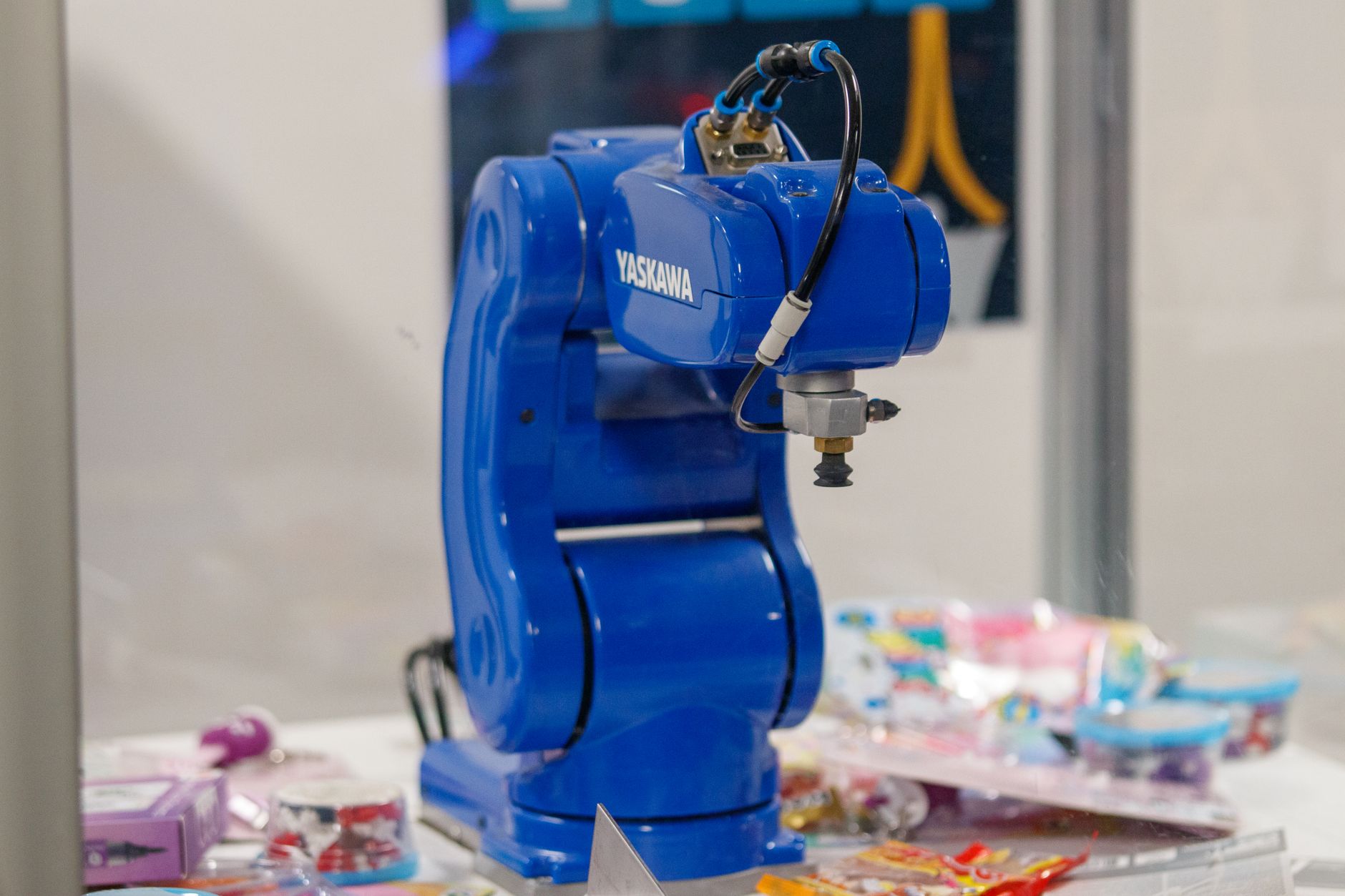
The octopus-inspired robot arm is being tested by UT students as part of an exciting collaboration with ESA. This innovative technology aims to enhance robotic capabilities in space exploration.
Introduction to the Octopus-Inspired Robot Arm
In an exciting development for space exploration, a group of University of Texas students has been invited by the European Space Agency (ESA) to test an innovative octopus-inspired robot arm. This technology showcases the remarkable potential of biomimicry, where engineers draw inspiration from nature to solve complex problems. The octopus, known for its versatility and dexterity, has influenced the design of this robotic arm, enabling it to perform intricate tasks in challenging environments.
The octopus-inspired robot arm is designed to mimic the movement and adaptability of an octopus tentacle. Its unique structure allows for greater flexibility and precision, making it an ideal tool for various applications in space, such as assembling structures on other planets or repairing equipment in orbit. The students’ involvement in this project not only highlights their ingenuity but also underscores the importance of collaborative efforts between academic institutions and space agencies.
As space missions become increasingly complex, the octopus-inspired robot arm represents a significant step forward in robotics, merging biology with cutting-edge technology.
How UT Students Got Involved
In an exciting collaboration, students from the University of Texas (UT) have been invited by the European Space Agency (ESA) to test an octopus-inspired robot arm designed for space missions. This opportunity arose as part of a broader initiative to integrate innovative technologies in future space exploration efforts.
The students, representing various engineering disciplines, were selected for their exceptional skills and enthusiasm for robotics. They participated in a rigorous selection process, showcasing their knowledge and creativity through multiple project proposals.
As part of the testing team, UT students are tasked with evaluating the robot arm’s performance in simulated space conditions. Their involvement not only enhances their academic experience but also allows them to contribute to cutting-edge research that could reshape robotic applications in extraterrestrial environments.
This hands-on engagement demonstrates the university’s commitment to fostering practical learning opportunities, while also aligning with ESA’s goal of pushing technological boundaries in space exploration.
The Technology Behind the Robot Arm
The octopus-inspired robot arm utilizes advanced biomimicry to achieve unparalleled flexibility and precision in various environments, particularly in space exploration. This innovative technology draws inspiration from the unique anatomy of octopuses, which possess a highly adaptable structure that allows for complex movements and manipulation of objects.
Engineered with soft robotics principles, the arm features:
- Flexible joints: These joints mimic the boneless limbs of an octopus, enabling the arm to navigate tight spaces and perform intricate tasks.
- Adaptive grip: The arm can conform to different shapes, ensuring a secure hold on various tools and samples.
- Advanced sensors: Integrated sensors provide real-time feedback, enhancing the robot’s ability to respond to its environment.
As a part of their collaboration with the European Space Agency (ESA), UT students are exploring the potential of this octopus-inspired robot arm to revolutionize how robots operate in extraterrestrial settings.
Potential Applications in Space
The octopus-inspired robot arm has the potential to revolutionize various applications in space exploration. Its unique design allows for remarkable flexibility and dexterity, enabling it to perform tasks that traditional robotic arms struggle with. This adaptability is crucial in the unpredictable environment of space, where precision is vital.
Some of the most promising applications include:
- Satellite Maintenance: The robot arm can carry out repairs and adjustments on satellites, extending their operational life.
- Asteroid Mining: Its ability to navigate and manipulate objects could facilitate the extraction of valuable resources from asteroids.
- Extravehicular Activities (EVAs): Astronauts could utilize the arm for complex tasks outside their spacecraft, enhancing safety and efficiency.
- Robotic Assistants: The octopus-inspired robot arm can serve as a companion to astronauts, assisting with daily tasks and providing support during long missions.
As this technology evolves, the octopus-inspired robot arm may become an invaluable tool for future space missions.
ESA’s Role in the Project
The European Space Agency (ESA) plays a pivotal role in the development of the octopus-inspired robot arm, collaborating closely with researchers and students at the University of Texas. This partnership aims to enhance robotic capabilities in space exploration, drawing inspiration from the unique anatomical features of octopuses. The ESA has recognized the potential of these biomimetic designs to perform complex tasks in environments where traditional robotic arms may struggle.
ESA’s involvement has centered around providing resources and expertise, allowing students to conduct tests that evaluate the robot arm’s performance. The octopus-inspired robot arm’s flexibility and dexterity are particularly advantageous in zero-gravity scenarios, where precise movements are essential. As the project progresses, ESA continues to support innovative research that pushes the boundaries of what is possible in space technology.
By fostering collaboration between academia and space agencies, ESA is helping to pave the way for the next generation of robotic tools that could revolutionize how we explore other planets and moons.
Challenges in Testing Robotics
Testing the octopus-inspired robot arm presents several challenges that engineers and researchers must overcome to ensure its effectiveness in space applications. One significant hurdle is the need to replicate the complex movements of an octopus in a controlled environment. Unlike traditional robotic arms, the flexibility and adaptive nature of the octopus-inspired design require precise calibration and programming.
Additionally, the harsh conditions of space, including microgravity and radiation, pose unique difficulties. Engineers must conduct extensive simulations and tests to assess how the robotic arm will perform under these conditions. This involves not only evaluating its mechanical capabilities but also ensuring its sensors and control systems function seamlessly.
Furthermore, the team must gather data on the arm’s performance over extended periods, which necessitates intricate and time-consuming testing protocols. To address these challenges, collaboration among students, researchers, and ESA experts is crucial, allowing for innovative solutions and thorough evaluations of the octopus-inspired robot arm.
Future of Robotics in Space Exploration
The future of robotics in space exploration is increasingly aligned with innovative designs, such as the octopus-inspired robot arm. This cutting-edge technology offers unprecedented versatility and adaptability, essential for tasks in the challenging environment of outer space.
Experts believe that the unique characteristics of the octopus, including its dexterity and ability to navigate complex structures, can inspire further advancements in robotic applications. As we continue to explore distant planets and asteroids, the integration of such biomimetic designs is crucial.
Key advantages of using an octopus-inspired robot arm in space missions include:
- Enhanced Manipulation: The robot arm can perform intricate tasks that traditional robotic arms might struggle with.
- Adaptability: Its flexible design allows it to interact with various surfaces and objects encountered in space.
- Improved Efficiency: The arm’s efficiency can reduce mission costs and time.
As research progresses, the potential for this technology to revolutionize space exploration becomes increasingly apparent.
Conclusion and Next Steps
In conclusion, the development of the octopus-inspired robot arm represents a significant leap forward in robotic technology for space exploration. By mimicking the unique capabilities of octopus limbs, this innovative design offers unparalleled dexterity and adaptability, essential for navigating the complexities of extraterrestrial environments. The collaboration between UT students and the European Space Agency (ESA) has not only provided valuable hands-on experience for the students but has also propelled the project into the forefront of robotics research.
As we look ahead, the next steps involve rigorous testing and refinement of the octopus-inspired robot arm. Upcoming trials will focus on enhancing its functionality and ensuring reliability in various space conditions. Additionally, researchers will explore potential collaborations with other institutions to expand the scope of this technology.
Ultimately, the success of this project could pave the way for future robotic systems, revolutionizing how we conduct missions beyond Earth. The implications for space exploration, including planetary research and resource extraction, are promising and warrant further investigation.
Photo by Freek Wolsink on Pexels
Read the original
You might also like
Russia satellite internet: Worst setbacks for Moscow’s ambitions · Intel stock surge: What’s the Real Reason Behind It? · Boat Airdopes Prime 800D: Best Smart Audio with Proven Battery Life