
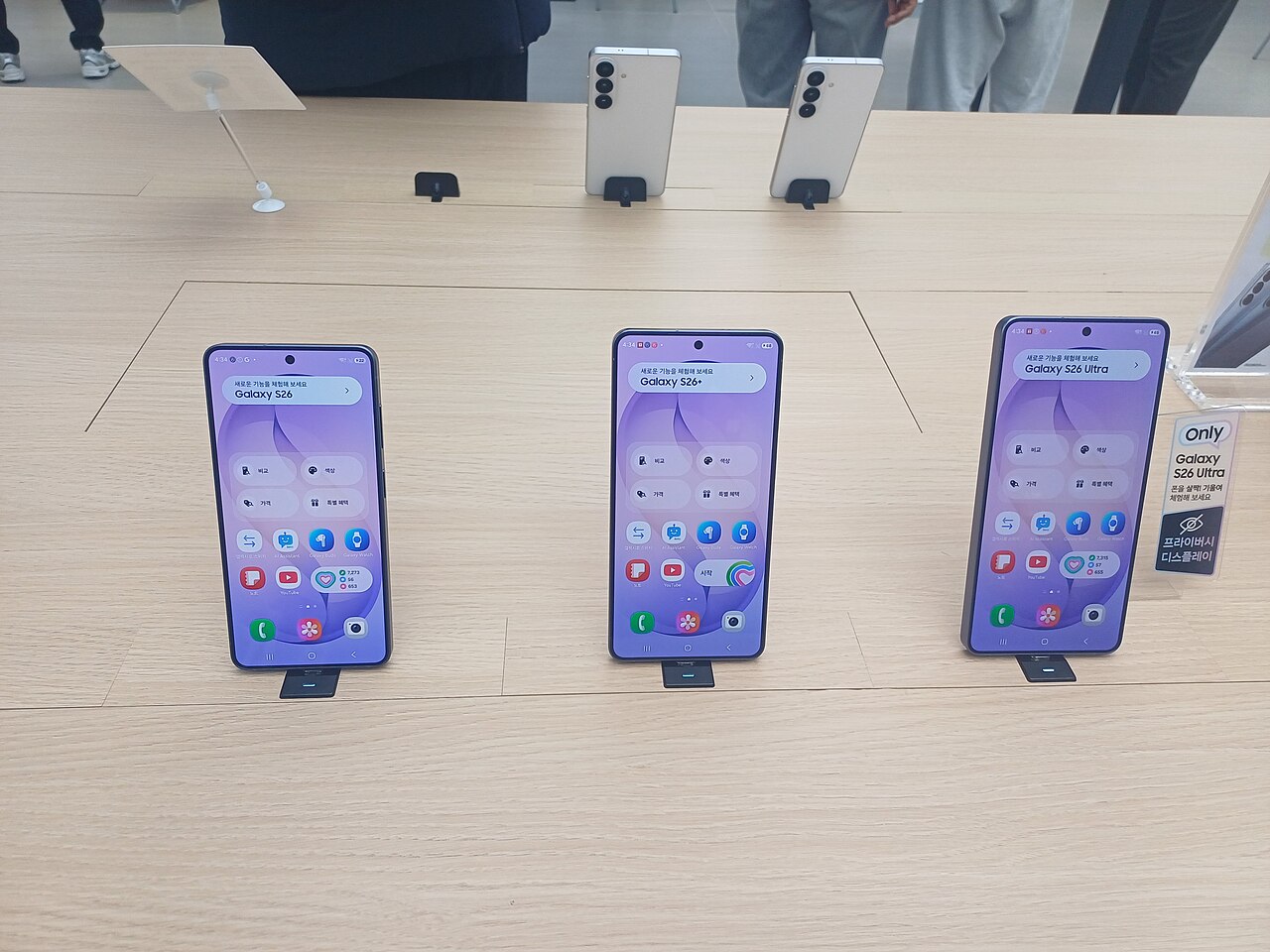
Samsung phone price hike is making headlines in India as the Galaxy S26 Ultra sees a significant Rs 25000 increase. This change is sure to impact buyers and fans alike.
Overview of the Price Hike
In a surprising announcement, Samsung has revealed a significant price hike for its latest flagship device, the Galaxy S26 Ultra. Buyers in India will now face a staggering increase of Rs 25,000, marking one of the steepest price adjustments in recent memory.
This change has sent shockwaves through the smartphone community, particularly among those eagerly awaiting the release of the Galaxy S26 Ultra. The new pricing structure emphasizes the growing trend of rising costs in the tech industry, affecting not only Samsung but also other major players.
With the Samsung phone price hike, consumers are left to ponder the value of investing in the latest technology. Key features of the Galaxy S26 Ultra, such as its advanced camera system and enhanced performance capabilities, are now overshadowed by concerns over affordability.
As potential buyers weigh their options, many are questioning if they should wait for promotional offers or consider alternative devices that might offer better value for their money.
Impact on Consumers
The recent Samsung phone price hike has left many consumers feeling disheartened, especially those eyeing the latest Galaxy S26 Ultra. With a staggering increase of Rs 25,000, potential buyers are now facing tough decisions regarding their purchases.
This price adjustment not only affects the immediate buyers but also has broader implications for the smartphone market in India. Many consumers are forced to reconsider their budgets and may even opt for alternatives from competing brands, which could lead to a shift in market dynamics.
Additionally, the price hike raises concerns about the value offered by Samsung. Buyers are questioning whether the enhancements in features and specifications justify the increased cost. The following points highlight the impact on consumers:
- Increased financial burden on those planning to upgrade.
- Potential shift towards budget-friendly alternatives.
- Concerns about the long-term value of high-end devices.
As a result, the Samsung phone price hike is prompting many to rethink their choices in the competitive smartphone landscape.
Comparison with Previous Prices
The recent Samsung phone price hike has sparked significant discussions among potential buyers, particularly concerning the Galaxy S26 Ultra. To put the new pricing into perspective, we can compare it with previous models.
- Galaxy S25 Ultra: Launched at Rs 1,15,000, it was considered a premium offering with top-tier specifications.
- Galaxy S26 Ultra: Now priced at Rs 1,40,000 after the recent price hike, this model has seen an increase of Rs 25,000 compared to its predecessor.
This substantial rise raises concerns about the value proposition for consumers. While advancements in technology often justify price increases, many consumers are now questioning whether the enhancements in the Galaxy S26 Ultra are worth the steep price tag.
Moreover, the price hike is not limited to just this model; other Samsung phones have also experienced similar surges, prompting a broader examination of the brand’s pricing strategy in the current market landscape.
Market Reaction to Price Changes
The recent Samsung phone price hike has sent shockwaves through the market, particularly affecting potential buyers of the Galaxy S26 Ultra. Analysts have noted a significant reaction from consumers, with many expressing disappointment over the steep increase in prices.
Market sentiment has shifted, as consumers weigh their options in light of the new pricing. The Galaxy S26 Ultra, which now sees a staggering rise of Rs 25,000, has been met with mixed reviews:
- Increased Hesitance: Many prospective buyers are reconsidering their purchase plans, leading to a potential decrease in sales.
- Competitor Advantages: Rival brands may benefit from the price adjustments, as consumers explore alternatives.
- Long-term Brand Loyalty: While some remain loyal to Samsung, the price hike could test the limits of brand allegiance.
As the dust settles, industry experts are closely monitoring how the Samsung phone price hike will affect both consumer behavior and overall sales in the tech market.
Alternatives to Galaxy S26 Ultra
As the Samsung phone price hike leaves many potential buyers reconsidering their options, several alternatives to the Galaxy S26 Ultra have gained popularity. These alternatives offer competitive features without breaking the bank.
Consider the following options:
- OnePlus 11 Pro: Known for its flagship performance and sleek design, this device is often priced lower than the Galaxy S26 Ultra, making it an attractive choice for budget-conscious consumers.
- Google Pixel 7 Pro: With its exceptional camera capabilities and stock Android experience, the Pixel 7 Pro stands out as a premium alternative that may satisfy photography enthusiasts.
- Xiaomi 13 Pro: Offering high-end specifications at a competitive price, the Xiaomi 13 Pro is another solid contender for those looking to upgrade without the steep price increase associated with the Samsung phone price hike.
- Samsung Galaxy A54: For those who prefer sticking with Samsung, the Galaxy A54 provides a balance of features and affordability, making it a viable option for many users.
Expert Opinions on Samsung’s Strategy
Experts are voicing their concerns regarding the recent Samsung phone price hike, particularly for the Galaxy S26 Ultra. According to technology analyst Rajesh Kumar, this steep increase of Rs 25,000 is a significant gamble that could alienate loyal customers. “Samsung is positioning itself in a premium segment, but at what cost?” he remarked.
Market analyst Sita Mehta believes that this decision may backfire. “The Galaxy S26 Ultra’s price hike might lead consumers to consider alternatives from competitors, which are now offering comparable features at lower price points,” she explained.
Another expert, Vinay Sharma, suggested that Samsung could have mitigated the backlash by implementing more gradual price adjustments. “This sudden hike could create a perception of greed, and that might tarnish Samsung’s brand image,” he stated.
With consumers already feeling the pinch, many are left questioning whether the features of the Galaxy S26 Ultra justify its new price tag. The coming months will reveal how Samsung’s strategy unfolds in a competitive market.
Future Trends in Smartphone Pricing
The recent Samsung phone price hike has sparked discussions about future trends in smartphone pricing. Industry analysts suggest that this increase, particularly the Rs 25,000 jump for the Galaxy S26 Ultra, may indicate a broader shift in the market. As manufacturers face rising production costs and inflationary pressures, consumers might see more frequent price adjustments across various brands.
Some experts believe that this trend could lead to a re-evaluation of premium smartphone pricing, pushing buyers to reconsider the value of flagship models. The willingness of consumers to absorb these costs will be crucial. If sales of high-end devices decline, companies may need to rethink their pricing strategies.
Additionally, competition among manufacturers could play a key role in stabilizing prices. Brands that offer feature-rich alternatives at lower price points may attract buyers who are unwilling to pay the new premiums. The landscape of smartphone pricing is evolving, and the Samsung phone price hike may just be the beginning of a significant transformation in how consumers perceive and invest in technology.
Conclusion on Samsung’s Pricing Strategy
In conclusion, the recent Samsung phone price hike, particularly concerning the Galaxy S26 Ultra, has raised significant concerns among consumers and industry experts alike. The dramatic rise in price by Rs 25000 in India has not only altered the purchasing landscape but has also prompted buyers to reconsider their choices. Many potential customers are now weighing their options, looking at competitors who offer similar features at more competitive prices.
Furthermore, this pricing strategy may lead to a shift in brand loyalty, as consumers explore alternatives that do not carry the same financial burden. The backlash from the market indicates that while Samsung is a strong player, the sustained increase in smartphone costs may alienate a segment of its customer base.
As the smartphone market evolves, it will be crucial for Samsung to balance innovation with affordability. By doing so, they can ensure that they remain competitive and continue to meet the needs of their consumers, who are becoming increasingly price-sensitive in the face of rising costs.
via Wikimedia Commons
Sources
Related reading
Xiaomi 18 Pro Max: Is It the Best Phone of 2023? · ChatGPT mobile app: Best features for voice interactions · Short-validity recharge plans: Best proven options for users