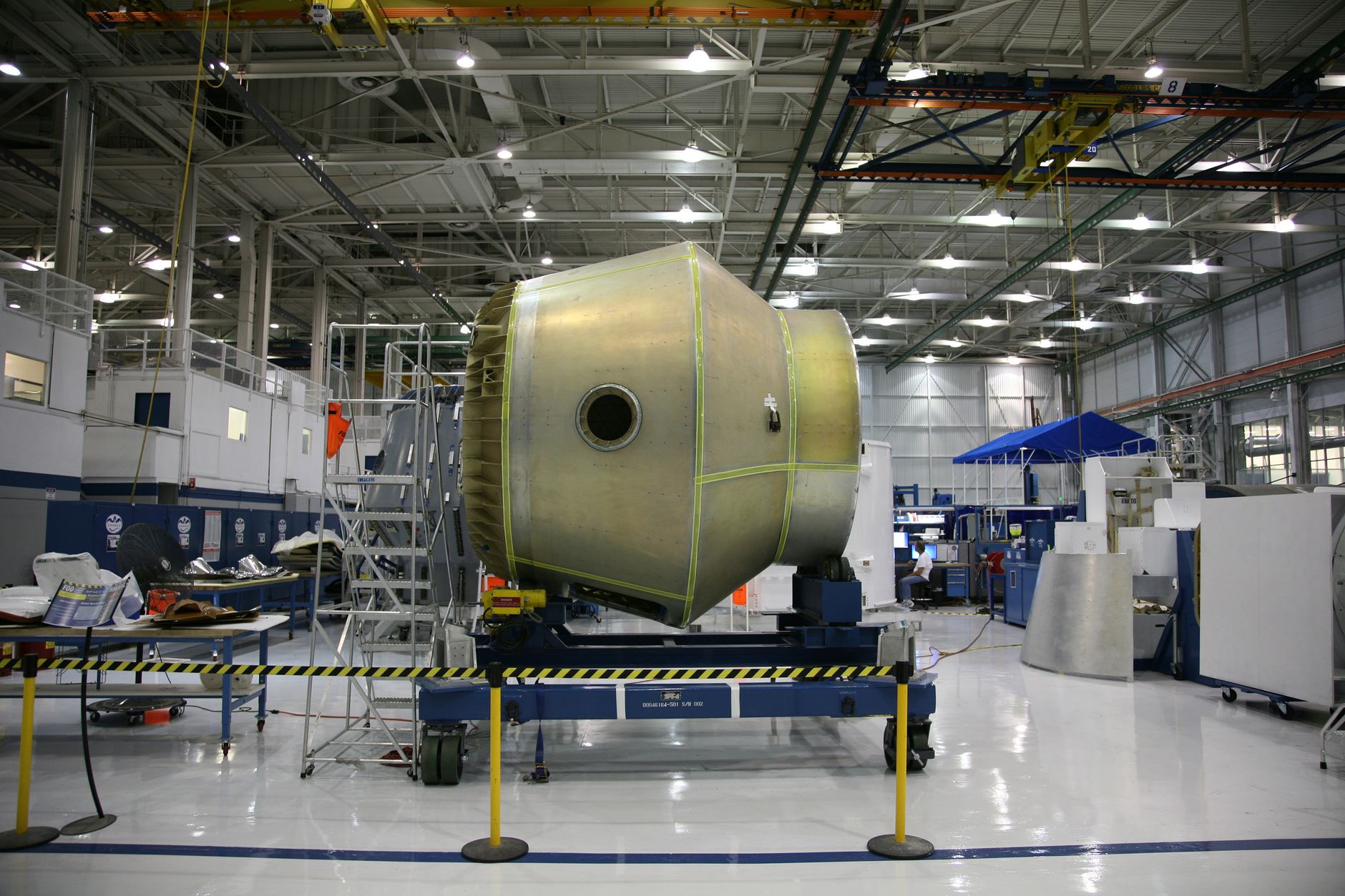

GSLV satellite launch has successfully taken place as ISRO sends the 2,367-kg EOS-05 into orbit. This milestone highlights India’s advancements in space technology.
ISRO Achieves Milestone with GSLV Launch
The Indian Space Research Organisation (ISRO) has achieved a significant milestone with its recent GSLV satellite launch, successfully deploying the EOS-05 satellite into orbit. This launch marks a new chapter in India’s space endeavors, as the GSLV (Geosynchronous Satellite Launch Vehicle) has been instrumental in carrying heavier payloads to space.
The EOS-05 satellite, weighing 2,367 kilograms, is designed for advanced Earth observation and is expected to enhance India’s capabilities in monitoring various environmental parameters. This mission underscores ISRO’s commitment to leveraging technology for sustainable development and disaster management.
Key highlights of the GSLV satellite launch include:
- The GSLV rocket performed flawlessly, demonstrating ISRO’s growing expertise in launching heavier satellites.
- EOS-05 is equipped with state-of-the-art sensors for real-time data collection.
- The successful launch enhances India’s position in the global space arena.
ISRO’s ability to consistently deliver successful launches, such as this GSLV satellite launch, reinforces its status as a leading space agency. The future looks promising as ISRO continues to innovate and expand its satellite capabilities.
What is the EOS-05 Satellite?
The EOS-05 satellite, part of India’s Earth Observation Satellite series, is a significant advancement in remote sensing technology. Designed for a variety of applications, it plays a crucial role in enhancing the country’s capabilities in environmental monitoring and disaster management.
This satellite is equipped with advanced imaging systems that enable it to capture high-resolution images of the Earth’s surface. Its primary objectives include:
- Monitoring natural resources: EOS-05 assists in tracking changes in land use and agricultural patterns.
- Disaster management: The satellite provides critical data for assessing damage and planning responses to natural disasters.
- Environmental studies: It plays a vital role in studying climate change and its impacts on ecosystems.
The GSLV satellite launch successfully deployed EOS-05 into orbit, marking another achievement for the Indian Space Research Organisation (ISRO). This launch demonstrates ISRO’s ability to develop and utilize sophisticated technology to meet national needs. With its robust features and capabilities, EOS-05 is set to contribute significantly to India’s scientific and commercial endeavors, showcasing the impact of GSLV satellite launches on the country’s space exploration ambitions.
The Importance of Heavy Satellite Launches
Heavy satellite launches play a crucial role in advancing space exploration and scientific research. The recent GSLV satellite launch, which successfully deployed the 2,367-kg EOS-05 into orbit, exemplifies the significance of this capability. Such missions enable the deployment of larger, more sophisticated satellites that can enhance various sectors including telecommunications, weather forecasting, and Earth observation.
Moreover, heavy satellites like EOS-05 are equipped with advanced technology that can provide critical data for environmental monitoring and disaster management. The ability to launch heavier payloads means that organizations can invest in more powerful instruments that deliver better resolution and accuracy in data collection.
The GSLV satellite launch represents a milestone in India’s space endeavors, as it showcases ISRO’s growing expertise in handling complex missions. This success not only boosts national pride but also positions India as a competitive player in the global space market.
In conclusion, heavy satellite launches, such as the recent GSLV mission, are vital for pushing the boundaries of what is possible in space technology, fostering innovation, and addressing global challenges through enhanced satellite capabilities.
Future of Indian Space Missions
The future of Indian space missions looks promising as the Indian Space Research Organisation (ISRO) continues to build on its successes, particularly with the recent GSLV satellite launch of the EOS-05. This achievement not only showcases ISRO’s capabilities but also sets the stage for ambitious projects ahead.
With the growing demand for satellite-based services, including communication, weather forecasting, and earth observation, ISRO plans to expand its satellite launch capabilities. Future missions are expected to include:
- GSLV Mk III Enhancements: Further upgrades to the GSLV platform are anticipated to increase payload capacity and reliability.
- International Collaborations: Partnerships with global space agencies could lead to joint missions and technology exchanges.
- Commercial Launch Services: Expanding offerings for international clients, tapping into the global satellite launch market.
- Exploration Initiatives: Plans for lunar and interplanetary missions could position India as a key player in space exploration.
As ISRO continues to innovate and refine its launch systems, the GSLV satellite launch of EOS-05 marks just the beginning of a new era in India’s space exploration endeavors.
Technological Advancements in GSLV
The recent GSLV satellite launch of the EOS-05 marks a significant step forward in satellite technology, showcasing ISRO’s commitment to innovation and excellence. Over the years, the GSLV (Geosynchronous Satellite Launch Vehicle) has undergone numerous upgrades, resulting in enhanced payload capacity and reliability.
Key advancements in GSLV technology include:
- Improved Engine Performance: The GSLV now features engines that offer better thrust and efficiency, allowing for heavier payloads, such as the 2,367-kilogram EOS-05.
- Enhanced Guidance Systems: Upgrades to the guidance, navigation, and control systems have increased the precision of satellite placement into orbit.
- Advanced Materials: The use of lightweight yet durable materials has contributed to the overall reduction in launch weight, which is critical for sending heavier satellites.
- Reliability Improvements: Continuous testing and evaluation have led to a significant reduction in launch failures, reinforcing confidence in the GSLV program.
These technological advancements in GSLV not only bolster India’s position in the global space arena but also pave the way for future missions involving complex satellite deployments and interplanetary exploration.
Photo by Phyllis Lilienthal on Pexels