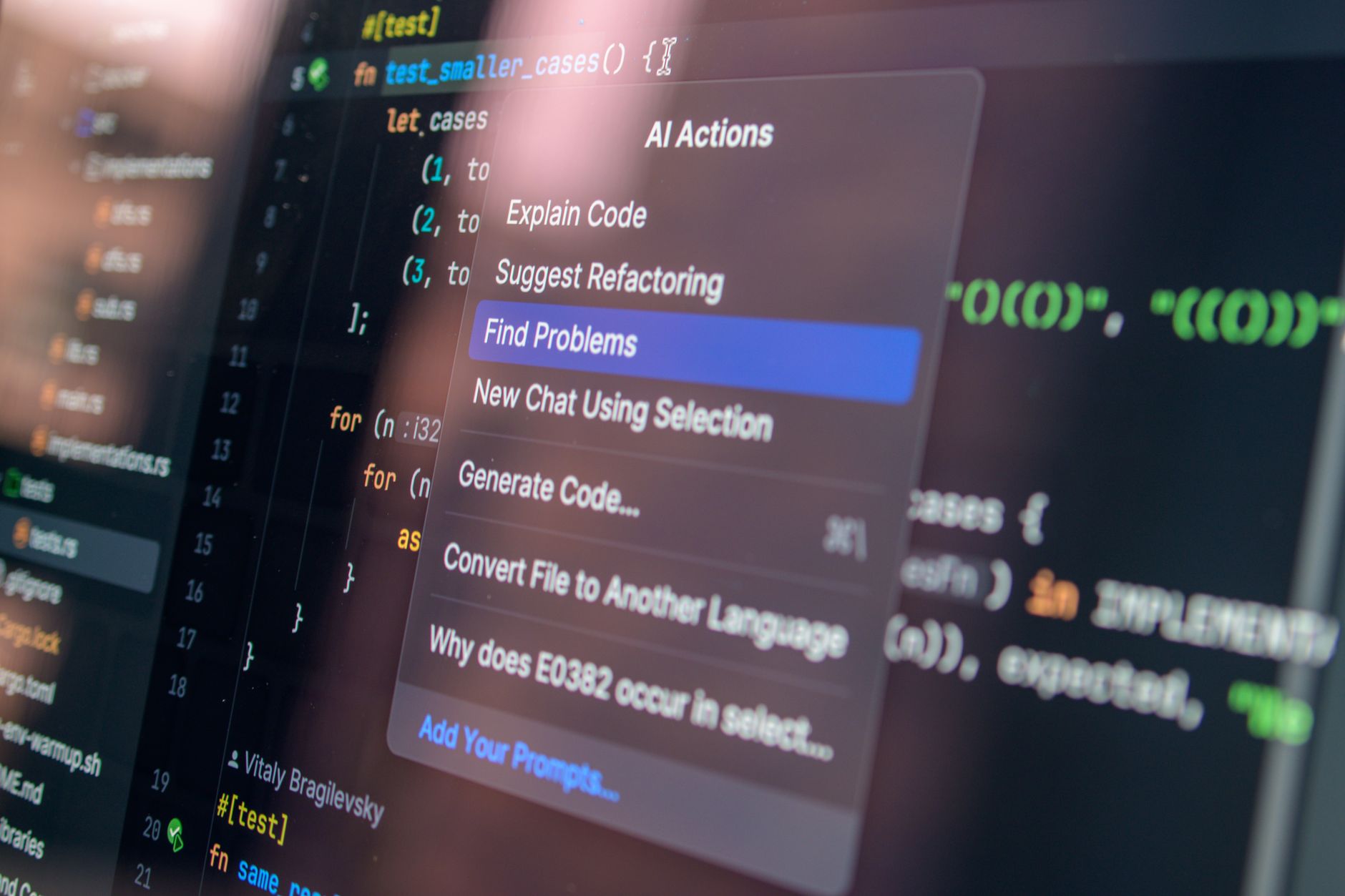
Claude Opus 5.5 vs GPT-6 is a hot topic in the AI community, as both models offer unique features and capabilities. In this article, we’ll break down their differences and help you decide which is right for you.
Overview of Claude Opus 5.5
Claude Opus 5.5 is the latest iteration from Anthropic, designed to enhance user experience and improve performance in a variety of applications. This advanced AI model focuses on providing more accurate and context-aware responses, making it a strong contender in the market.
One of the key features of Claude Opus 5.5 is its ability to understand nuanced prompts, which allows it to generate content that is not only relevant but also engaging. Moreover, it is built on a foundation of ethical AI principles, ensuring that its outputs are aligned with user intent while minimizing biases.
In comparison to its predecessor, Claude Opus 5.5 incorporates feedback from extensive user testing, resulting in improved conversational capabilities. Some of the main enhancements include:
- Improved Contextual Understanding: The model can better grasp the context of conversations, leading to more coherent interactions.
- Enhanced Responsiveness: Users can expect quicker replies that maintain relevance to the ongoing discussion.
- Broader Knowledge Base: The model is trained on a wider array of topics, allowing it to provide insights across various fields.
Overall, Claude Opus 5.5 represents a significant advancement in AI technology, particularly when compared to GPT-6.
Introduction to GPT-6
As the landscape of artificial intelligence continues to evolve, the introduction of GPT-6 marks a significant advancement in language processing technology. Developed by OpenAI, this model builds upon the foundation laid by its predecessors, aiming to enhance understanding and generation of human-like text.
One of the key improvements in GPT-6 is its ability to comprehend context more effectively, allowing for more nuanced and coherent responses. This model has been trained on a larger dataset, which not only broadens its knowledge base but also enables it to handle a wider array of topics with greater accuracy.
The architecture of GPT-6 incorporates cutting-edge techniques that optimize its performance, making it a formidable contender in the AI space. Users can expect faster response times and more sophisticated interactions compared to earlier models.
In the ongoing comparison of Claude Opus 5.5 vs GPT-6, it is essential to examine how these advancements position GPT-6 as a leading choice for various applications, including content creation, customer support, and more.
Key Features of Claude Opus 5.5
Claude Opus 5.5 is designed to enhance user experience with several key features that set it apart in the competitive landscape of AI models. Among its most notable attributes are:
- Advanced Natural Language Understanding: Claude Opus 5.5 excels in comprehending and generating human-like text, making it suitable for a variety of applications, from content creation to customer support.
- Multilingual Capabilities: This model supports multiple languages, allowing users to interact with it in their preferred language, thus broadening its accessibility.
- Contextual Awareness: The AI exhibits improved memory and contextual understanding, enabling it to maintain coherent conversations over extended interactions.
- Customizable Responses: Users can adjust the tone and style of responses, making Claude Opus 5.5 versatile for different audiences and purposes.
- Robust Ethical Guidelines: Built with a focus on ethical AI usage, the model incorporates measures to minimize bias and promote fair interactions.
These features collectively contribute to the debate of Claude Opus 5.5 vs GPT-6, with both models striving to push the boundaries of AI capabilities.
What Makes GPT-6 Stand Out?
One of the standout features of GPT-6 is its enhanced contextual understanding, which allows it to produce more relevant and coherent responses. This improvement is largely attributed to its advanced training algorithms and a larger dataset compared to its predecessors. Users have noted that GPT-6 can grasp subtle nuances in language, making it a superior choice for complex conversation scenarios.
Another significant advantage is the model’s ability to adapt its tone and style based on the user’s input. This flexibility enables GPT-6 to cater to a broader audience, from casual users to professionals seeking technical assistance.
Furthermore, GPT-6 integrates better safety measures, ensuring more responsible AI usage. It aims to reduce harmful biases and produce outputs that are not only informative but also ethical.
- Improved contextual understanding
- Adaptive tone and style
- Enhanced safety measures
These features make GPT-6 a compelling option when comparing it to Claude Opus 5.5, positioning it as a leading choice in the AI landscape.
Performance Comparison
In the realm of AI models, performance is a critical factor that influences user choice. When comparing Claude Opus 5.5 and GPT-6, several aspects come into play.
First, the processing speed of these models is noteworthy. Claude Opus 5.5 boasts rapid response times, enabling it to handle multiple queries simultaneously without significant lag. In contrast, GPT-6 has made strides in efficiency, often delivering more nuanced responses but with slightly longer processing times.
Next, we must consider the accuracy of outputs. Many users have reported that Claude Opus 5.5 excels in generating factual content, while GPT-6 is lauded for its creativity and ability to understand context better, making it more effective for complex inquiries.
Finally, adaptability is crucial. Claude Opus 5.5 is designed for a wide range of tasks, whereas GPT-6 shines in specialized applications, showing exceptional performance in niche topics.
Ultimately, the choice between Claude Opus 5.5 and GPT-6 depends on the specific needs of the user, making a performance comparison essential.
User Feedback and Reviews
User feedback and reviews are crucial in determining the effectiveness of AI models like Claude Opus 5.5 and GPT-6. Many users have expressed their opinions based on various factors including usability, accuracy, and overall performance.
According to recent surveys:
- Claude Opus 5.5 has been praised for its intuitive interface, making it accessible for both novice and experienced users.
- GPT-6, on the other hand, is noted for its advanced capabilities in natural language understanding, which users believe enhances contextual relevance in conversations.
- Some users prefer Claude Opus 5.5 for specific applications, such as customer service automation, highlighting its efficiency in handling queries.
- Conversely, many reviewers commend GPT-6 for creative writing tasks, where its ability to generate diverse content shines.
In summary, both models have their dedicated user bases, but preferences often hinge on the specific needs and applications of the users. As the debate over Claude Opus 5.5 vs GPT-6 continues, feedback from real-world applications will be invaluable for potential users.
Final Thoughts on AI Models
As we conclude our comparison between Claude Opus 5.5 and GPT-6, it’s clear that both AI models bring unique strengths to the table. Each has been designed with specific features that cater to different user needs and preferences.
Claude Opus 5.5 impresses with its ability to deliver nuanced and context-aware responses, making it ideal for tasks that require a deep understanding of language. On the other hand, GPT-6 shines with its expansive knowledge base and versatility, allowing it to adapt to a wider range of applications.
When considering Claude Opus 5.5 vs GPT-6, users should evaluate their specific requirements. For those focused on conversational AI and personalized interactions, Claude Opus 5.5 may be the better choice. Conversely, if versatility and broad application are priorities, GPT-6 stands out as an exceptional option.
Ultimately, the choice between these two models will depend on the individual user’s needs. With ongoing advancements in AI technology, both models are likely to evolve, further enhancing their capabilities and user experience.
As we delve deeper into the comparison of Claude Opus 5.5 vs GPT-6, it becomes evident that both models have unique strengths and weaknesses. Ultimately, the decision between Claude Opus 5.5 vs GPT-6 will depend on the specific needs of the user.
Where this came from
Related stories
Waveling Island Game: The Best New Creature Collector for Xbox · Lovisa global rollout: Proven strategies for continued success · iPhone 18 design leak: Is This the Real Deal?