
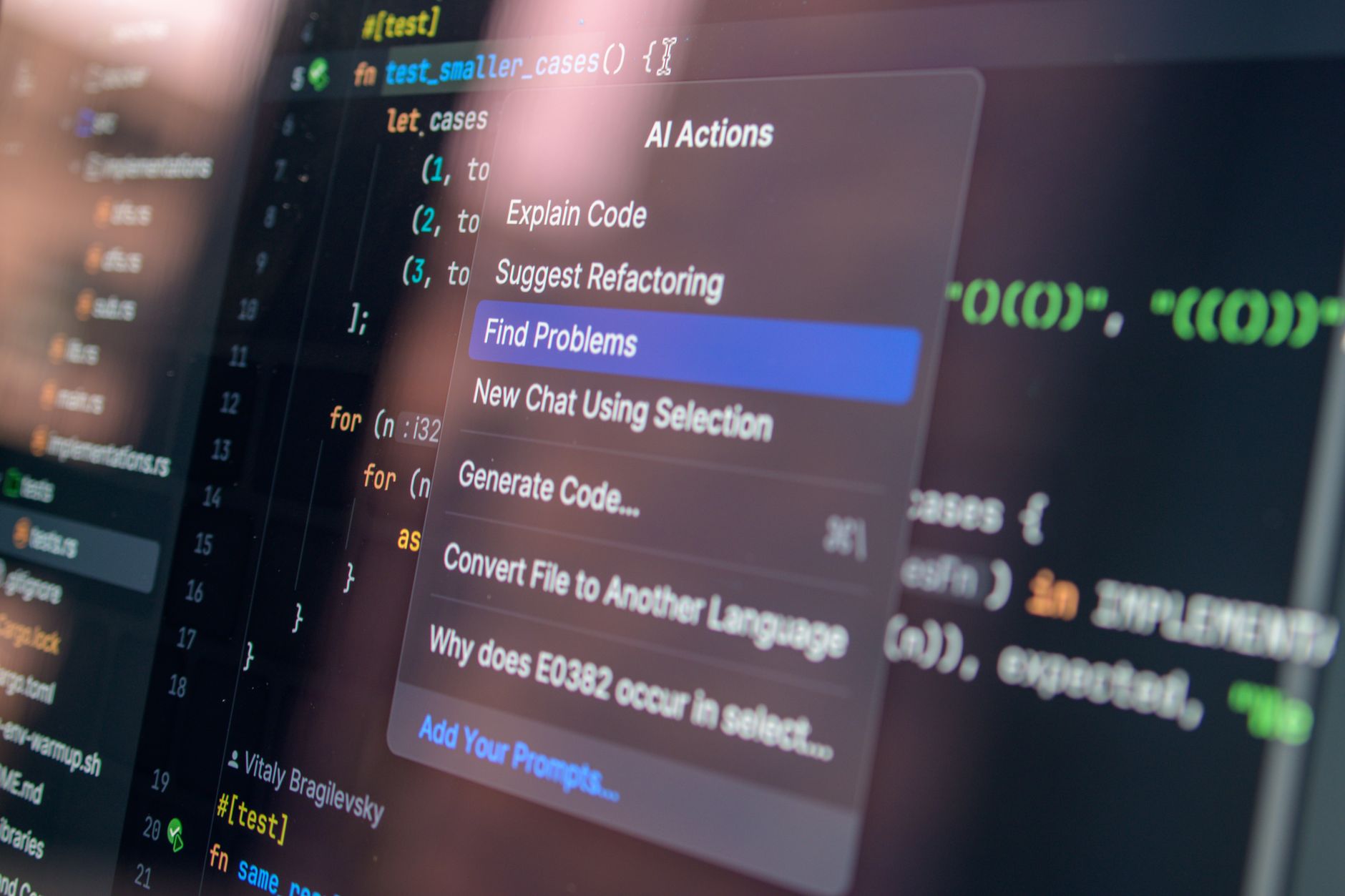
AI model testing is essential for validating the performance of artificial intelligence systems. In a recent call to action, Musk urges AI rivals to cross-test their models for better outcomes.
Understanding AI Model Testing
AI model testing is a crucial phase in the development of artificial intelligence systems, ensuring that models function as intended and meet performance standards. The process involves evaluating the model’s accuracy, reliability, and robustness across various scenarios. Experts emphasize that effective AI model testing requires a comprehensive understanding of the algorithms and data used.
According to industry leaders, including prominent figures like Elon Musk, one of the best strategies for AI model testing is cross-testing. This method involves comparing different AI systems against each other to identify potential weaknesses and strengths. By utilizing multiple models, developers can gain deeper insights into how well their AI performs in real-world situations.
Key aspects of AI model testing include:
- Data Diversity: Ensuring that the training and testing datasets are varied and representative of real-world applications.
- Performance Metrics: Using standardized metrics to evaluate the model’s output and decision-making capabilities.
- Iterative Improvement: Continuously refining models based on testing results and feedback.
In this rapidly evolving field, adopting proven strategies like cross-testing can significantly enhance the reliability of AI systems.
Importance of Cross-Testing
In the rapidly evolving field of artificial intelligence, cross-testing has emerged as a critical strategy for ensuring the robustness and reliability of AI models. This approach involves evaluating multiple models against the same dataset to identify their strengths and weaknesses. As highlighted by industry leaders, including Elon Musk, cross-testing can provide valuable insights that individual testing may overlook.
The importance of cross-testing lies in its ability to:
- Enhance accuracy: By comparing different models, developers can pinpoint which algorithms perform best under varying conditions, leading to improved overall performance.
- Increase transparency: Cross-testing promotes accountability among AI developers, encouraging them to disclose the methodologies used in their models.
- Mitigate risks: Identifying potential flaws across several models can prevent the deployment of harmful AI systems that may produce biased or inaccurate results.
- Foster innovation: The competitive environment created by cross-testing can drive advancements in AI technology, as developers strive to outperform each other.
Ultimately, embracing a comprehensive approach to AI model testing, including cross-testing, is essential for building trustworthy and effective AI systems.
Musk’s Perspective on AI Models
Elon Musk has been a vocal advocate for rigorous AI model testing in the rapidly evolving field of artificial intelligence. His perspective emphasizes the necessity of transparency and accountability among AI developers, particularly as competition intensifies. Musk recently urged rival companies to engage in cross-testing their models to ensure safety and reliability.
According to Musk, the lack of standardized testing protocols poses significant risks, as untested models could lead to unforeseen consequences. He believes that by sharing results and methodologies, companies can foster a culture of collaboration that benefits the entire industry.
Musk argues that the future of AI should prioritize ethical considerations and human oversight. He envisions a landscape where companies not only compete but also cooperate in benchmarking their AI systems. This approach, he asserts, will help mitigate potential dangers associated with unchecked AI development.
Furthermore, Musk stresses that cross-testing will allow for a more comprehensive understanding of AI models’ capabilities and limitations. By embracing a collective strategy, the industry can move towards safer and more effective AI solutions that can be trusted by society.
Best Practices for AI Evaluation
When it comes to AI model testing, adopting best practices is crucial for ensuring reliability and performance. Here are some recommended strategies:
- Define Clear Objectives: Before testing, establish what success looks like. This helps in evaluating the model against specific criteria.
- Utilize Diverse Datasets: Incorporating a variety of datasets can provide a more comprehensive assessment of the model’s capabilities and limitations.
- Implement Regular Testing Cycles: Continuous evaluation allows for the identification of issues over time, ensuring that the model adapts to new challenges.
- Engage in Cross-Validation: As emphasized by industry leaders, cross-testing models against each other can reveal performance discrepancies and provide insights for improvement.
- Document Findings: Keeping detailed records of testing outcomes aids in future evaluations and fosters transparency within the development process.
By following these best practices, developers can ensure effective AI model testing that enhances the overall robustness and accuracy of AI systems.
Challenges in AI Model Testing
AI model testing presents several challenges that researchers and developers must navigate to ensure the reliability and effectiveness of their systems. One of the primary hurdles is the diversity of data used in training models. If the dataset is not comprehensive, the model may perform poorly in real-world scenarios.
Additionally, evaluation metrics can vary significantly depending on the application of the AI model. Choosing the right metrics is crucial for accurately assessing performance. For instance, using accuracy alone may be misleading in cases where the data is imbalanced.
Another challenge in AI model testing lies in the interpretability of results. Many advanced models, particularly those based on deep learning, operate as “black boxes,” making it difficult to understand their decision-making processes. This opacity can lead to trust issues among users and stakeholders.
Furthermore, regulatory compliance poses an additional layer of complexity. Developers must ensure that their models adhere to legal standards while still achieving optimal performance. These challenges highlight the need for a robust strategy in AI model testing to mitigate risks and enhance the models’ reliability.
Future of AI Testing Standards
The future of AI model testing is poised for significant transformation as the demand for reliable and robust models increases. With experts like Elon Musk advocating for cross-testing among AI rivals, the industry is realizing the importance of standardized methodologies to ensure model effectiveness and safety.
As AI technologies evolve, the establishment of comprehensive testing standards will become crucial. Cross-testing will not only foster competition but also encourage collaboration among developers, leading to improved outcomes and reduced risks associated with AI deployment. The integration of diverse datasets and varying testing environments can enhance the reliability of AI systems, making them more resilient to real-world challenges.
Moreover, regulatory bodies are likely to play a significant role in shaping these standards. They will need to define clear guidelines for AI model testing to ensure compliance and accountability. As organizations embrace AI model testing, they must also prioritize ethical considerations, balancing innovation with societal impact.
In conclusion, the future of AI model testing lies in a collaborative approach that emphasizes transparency, consistency, and rigorous evaluation methodologies. The industry’s collective efforts will be essential in navigating the challenges and opportunities presented by rapidly advancing AI technologies.
Comparing AI Testing Methods
When it comes to AI model testing, various methodologies can be employed to ensure the efficacy and reliability of AI systems. Here, we compare some of the most widely recognized methods:
- Unit Testing: This method involves testing individual components of the AI model to identify specific issues. It helps in isolating bugs early in the development process.
- Integration Testing: Following unit testing, integration testing evaluates how different components of the AI model work together. It is essential for identifying interface-related problems.
- Performance Testing: This approach measures how well the AI model performs under various conditions. It focuses on aspects such as speed, accuracy, and resource usage.
- Cross-Validation: A critical technique in AI model testing, cross-validation splits the dataset into multiple subsets, allowing the model to be trained and validated on different segments. This ensures robustness and generalizability.
- User Acceptance Testing (UAT): Final feedback from end-users is gathered in this phase to ascertain the model’s real-world applicability and usability.
Each method brings unique benefits, making it crucial to adopt a comprehensive testing strategy tailored to specific project needs.
Photo by Daniil Komov on Pexels
Read the original
You might also like
Teledyne Space Imaging Sensors: Proven Technology for Missions · Rajiv Aggarwal Steps Down: A Clear Sign of Change at Samsung · iPhone 18 Pro features: What’s the Best New Design?