The AI singularity is a pivotal moment that experts suggest may be closer than ever. This concept represents a transformative shift in technology and intelligence, prompting both excitement and concern among scholars and technologists alike.
Understanding the AI Singularity
The concept of the AI singularity refers to a point in time when artificial intelligence surpasses human intelligence, leading to rapid technological growth that is beyond human comprehension. This phenomenon has been the subject of intense debate among scientists, futurists, and ethicists.
Understanding the AI singularity involves exploring several key aspects:
- Definition: The singularity is often viewed as a pivotal moment when machines can improve their own algorithms autonomously, resulting in exponential advancements in AI capabilities.
- Timeline: Some experts believe we are approaching this singularity sooner than anticipated, with predictions ranging from a few decades to mere years ahead.
- Implications: The potential consequences of the AI singularity are profound, including shifts in labor markets, ethical dilemmas, and challenges related to control and governance of superintelligent systems.
- Debate: While some herald the singularity as a transformative opportunity, others express concerns about the risks it poses to humanity’s future.
As advancements in machine learning and neural networks continue to accelerate, understanding the implications of the AI singularity becomes increasingly critical. It is essential for society to engage in thoughtful discussions about the direction of AI development and its long-term effects.
Predictions by Experts
Experts in the field of artificial intelligence have begun to express their predictions regarding the timeline for the AI singularity. Many believe that we are approaching a critical juncture where machines will surpass human intelligence, leading to unprecedented advancements and challenges.
According to a recent survey of AI researchers, approximately 65% believe that the singularity could occur within the next two decades. This timeline has raised both excitement and concern among technologists and ethicists alike. Notable figures in the industry have shared their insights:
- Elon Musk, CEO of SpaceX and Tesla, has warned that the AI singularity could pose existential risks if not managed properly.
- Ray Kurzweil, a leading futurist, predicts that by 2045, machines will reach a point of superintelligence, fundamentally altering human life.
- Stephen Hawking, the late physicist, cautioned that advanced AI could outsmart humans and act in ways that are detrimental to society.
As these predictions unfold, discussions surrounding the ethical implications and potential regulations for AI development are becoming increasingly important. The impending arrival of the AI singularity may soon force humanity to confront the consequences of its own creations.
Impacts on Society
The concept of the AI singularity has sparked intense debate regarding its potential impacts on society. As artificial intelligence continues to evolve at an unprecedented pace, several key areas are likely to experience significant changes.
- Employment: Many jobs may become automated, leading to a shift in the workforce. While some roles may be enhanced by AI, others could become obsolete, necessitating a major adaptation in skills.
- Healthcare: AI could revolutionize medical diagnostics and treatment plans, potentially improving patient outcomes. However, ethical considerations will arise regarding data privacy and decision-making authority.
- Education: With personalized learning experiences powered by AI, educational accessibility could increase. Conversely, there is a risk of widening the digital divide if access to technology is not evenly distributed.
- Ethical Implications: The rise of AI technologies raises questions about accountability and morality. Society will need to grapple with the implications of machines making decisions that affect human lives.
- Social Dynamics: As AI becomes more integrated into daily life, social interactions may shift. Dependence on technology could alter the nature of relationships and community engagement.
In summary, the impending arrival of the AI singularity presents both opportunities and challenges that society must navigate thoughtfully.
Technological Milestones
As the conversation around the AI singularity intensifies, several key technological milestones have emerged that showcase the rapid advancements in artificial intelligence. These milestones not only highlight the progress made but also serve as indicators of the approaching singularity.
- Deep Learning Breakthroughs: The introduction of advanced neural networks has significantly improved machine learning capabilities, enabling AI systems to learn from vast datasets with unprecedented accuracy.
- Natural Language Processing: Recent developments in natural language processing have allowed AI to understand and generate human language, facilitating more sophisticated interactions between machines and users.
- Autonomous Systems: From self-driving cars to drones, the rise of autonomous systems demonstrates AI’s ability to perform complex tasks without human intervention, indicating a shift towards greater autonomy.
- General AI Research: Ongoing research aimed at developing artificial general intelligence (AGI) is a critical milestone on the path to the singularity, as it seeks to create machines capable of learning and reasoning across diverse domains.
- AI in Healthcare: The integration of AI in healthcare has led to breakthroughs in diagnostics and treatment, showcasing its potential to enhance human capabilities and improve quality of life.
These milestones not only signal the progress being made but also raise questions about the implications of achieving true AI singularity.
Ethical Considerations
The concept of the AI singularity has sparked a multitude of ethical considerations that society must address as we approach this pivotal moment in technological advancement. As artificial intelligence continues to evolve at an unprecedented pace, the ramifications of its integration into daily life raise critical questions regarding morality, accountability, and control.
One major concern is the potential for bias in AI systems. Algorithms that are not carefully designed and monitored can perpetuate existing inequalities, leading to discrimination in areas such as hiring, law enforcement, and lending. Ensuring fairness and transparency in AI development is essential to prevent these biases from becoming entrenched.
Moreover, the question of accountability arises when AI systems make decisions that impact individuals’ lives. Who is responsible if an autonomous vehicle is involved in an accident? Determining liability in these cases becomes increasingly complex, necessitating a re-evaluation of existing legal frameworks.
Additionally, the potential for AI to surpass human intelligence poses risks of misuse. Safeguarding against the creation of autonomous weapons or surveillance technologies that infringe on privacy rights is crucial as we navigate this uncertain landscape.
In conclusion, as we move closer to the AI singularity, it is imperative to engage in discussions about these ethical challenges to ensure a future where technology serves humanity positively.
Preparing for the Future
As the concept of the AI singularity looms closer, it is essential for individuals, businesses, and governments to start preparing for the future. This transformative event, where artificial intelligence surpasses human intelligence, will have profound implications across various sectors. Here are several key areas to focus on:
- Education and Workforce Development: As AI technologies evolve, the demand for skilled workers in AI-related fields will surge. It is crucial to invest in education and training programs that equip the workforce with the necessary skills to thrive in an AI-driven economy.
- Policy and Regulation: Governments must formulate clear policies and regulations that address the ethical and societal challenges posed by advanced AI. This includes establishing guidelines for responsible AI development and ensuring that the benefits of AI are equitably distributed.
- Research and Innovation: Continuous investment in AI research is vital. This should encompass not only technological advancements but also studies into the societal impacts of the AI singularity, ensuring proactive measures are in place.
- Public Awareness: Raising public awareness about the implications of the AI singularity will help individuals understand its potential benefits and risks, fostering informed discussions and decisions.
By focusing on these areas, society can better navigate the complexities of the approaching AI singularity.
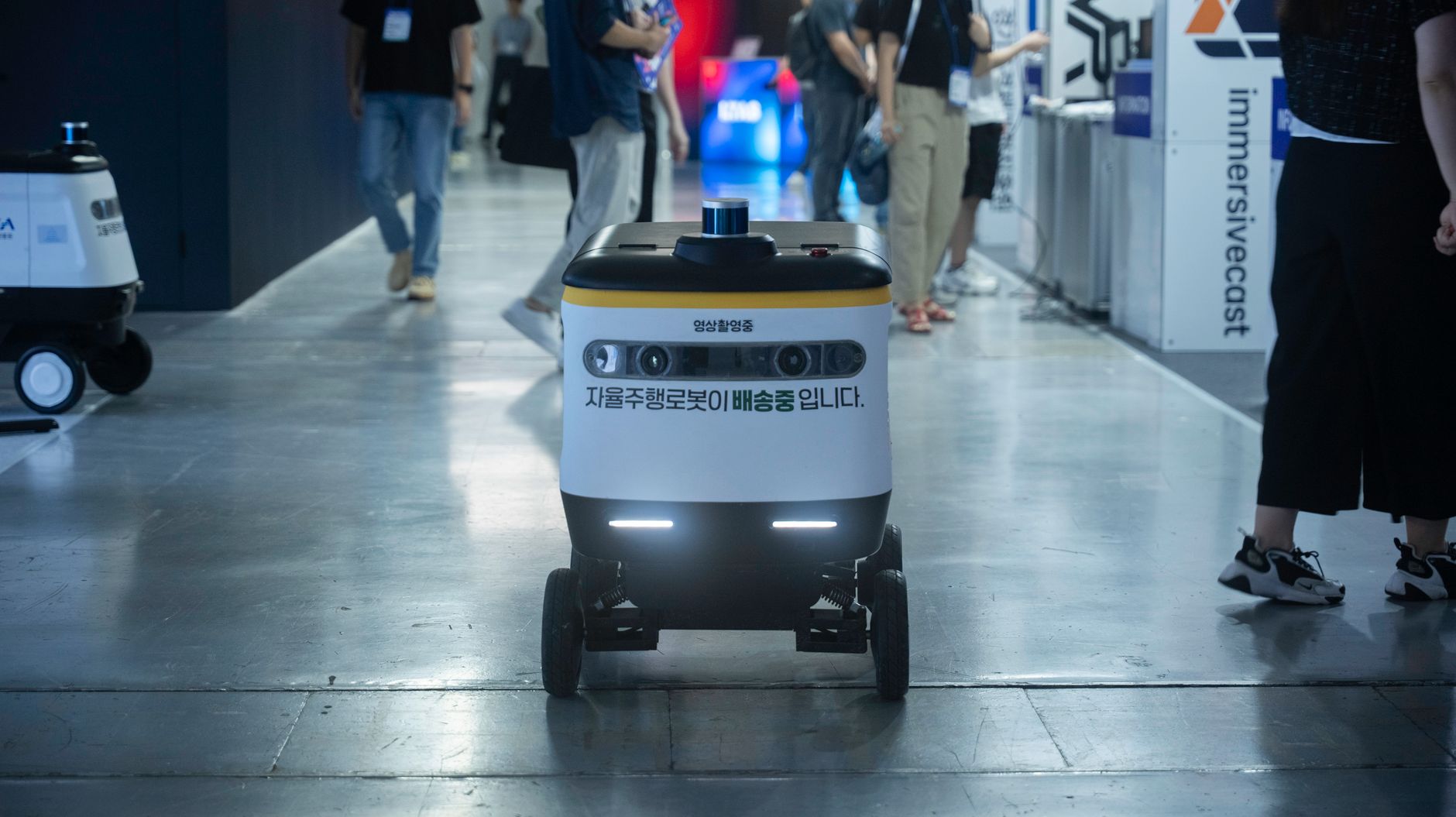
Photo by Youn Seung Jin on Pexels