
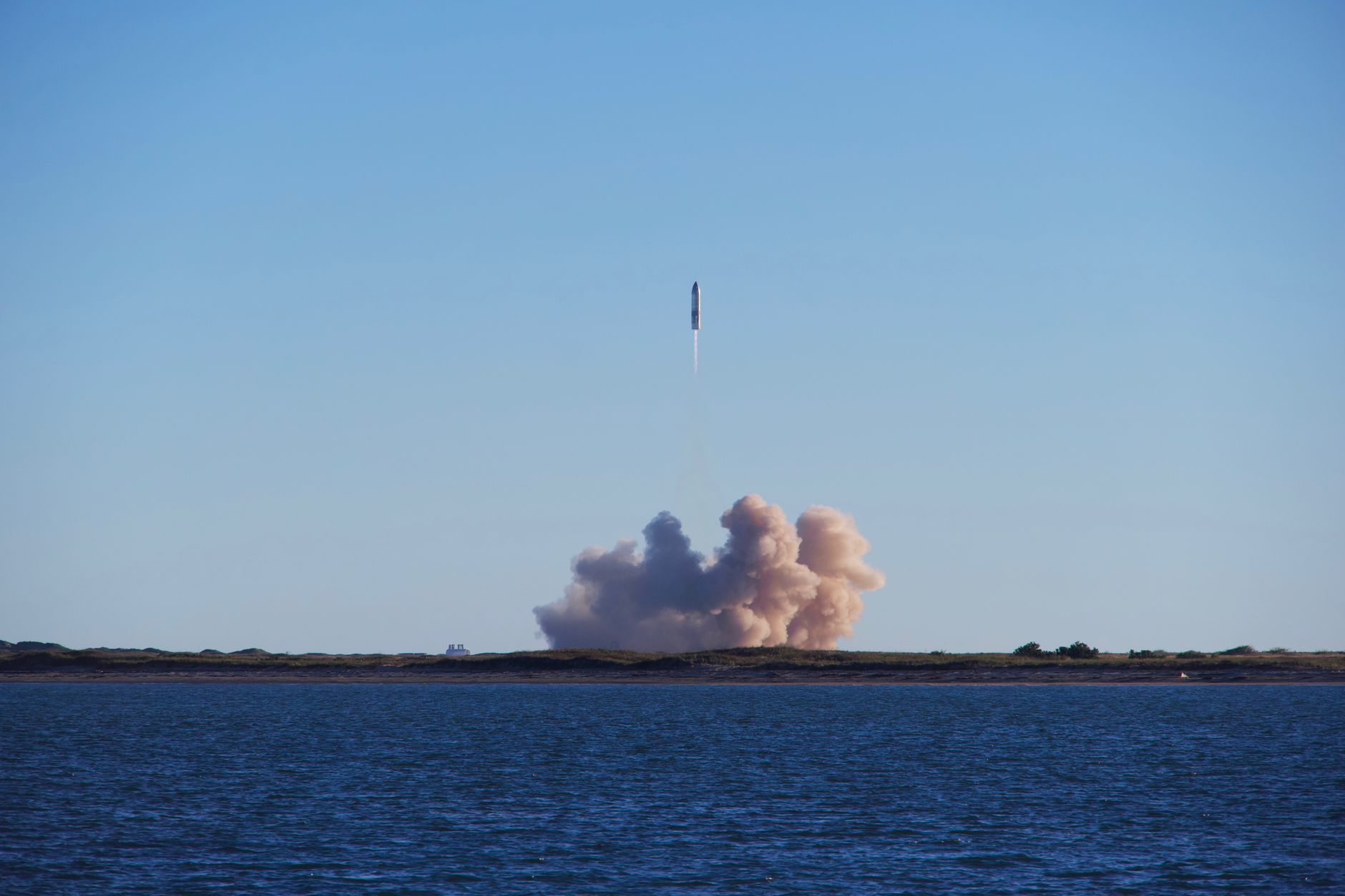
Neutron rocket launch price has raised eyebrows as Rocket Lab increases costs even before its inaugural flight. This decision prompts questions about the future of space launches.
Understanding Rocket Lab’s Pricing Strategy
Rocket Lab has recently adjusted the pricing for its Neutron rocket launch, raising the cost even before its inaugural flight. This move has sparked debates among industry experts and potential customers regarding the value of such an investment. Understanding Rocket Lab’s pricing strategy is crucial for stakeholders looking to navigate the evolving market.
The increase in launch price can be attributed to several factors:
- Technological Advancements: The Neutron rocket incorporates state-of-the-art technology, which drives up development and operational costs.
- Market Demand: As the demand for satellite launches escalates, Rocket Lab aims to capitalize on this trend by positioning itself as a leader in the industry.
- Competitive Landscape: With increasing competition, pricing strategies need to reflect both value and the unique capabilities of the Neutron rocket.
Ultimately, assessing the Neutron rocket launch price involves weighing the benefits of advanced capabilities against the financial implications for clients.
Impact of Launch Costs on Space Missions
The impact of launch costs on space missions cannot be understated, especially as companies like Rocket Lab adjust their pricing strategies. The Neutron rocket launch price has become a focal point for discussions surrounding the feasibility of space exploration and satellite deployment.
Higher launch costs can lead to several significant challenges:
- Budget Constraints: Organizations may struggle to secure funding for missions if launch prices soar, limiting the number of planned projects.
- Market Competition: An increase in launch costs might drive customers toward more affordable alternatives, potentially impacting Rocket Lab’s market share.
- Innovation Limitations: Reduced budgets can stifle innovation, as companies may prioritize lower-risk missions over groundbreaking endeavors.
Ultimately, the balance between cost and capability will determine the future of space missions, and understanding the Neutron rocket launch price will be crucial for stakeholders in the aerospace industry.
What to Expect from the Neutron Rocket
As the Neutron rocket prepares for its inaugural launch, enthusiasts and industry experts are eager to understand what to expect from this innovative vehicle. With its advanced technology and unique design, the Neutron aims to revolutionize the launch market.
The Neutron rocket is expected to offer several key features:
- Increased Payload Capacity: The Neutron is designed to carry larger payloads than its predecessors, making it suitable for a variety of missions.
- Reusable Components: Incorporating reusable technology can significantly reduce costs, helping to justify the Neutron rocket launch price.
- Enhanced Efficiency: The rocket’s design focuses on fuel efficiency, which may lower overall launch costs in the long run.
- Rapid Turnaround: A faster launch readiness could attract more customers looking for timely access to space.
As the first launch date approaches, stakeholders are closely monitoring whether the Neutron rocket will deliver on its promises and whether the price will align with its capabilities.
Future of Affordable Space Travel
The future of affordable space travel is a topic of keen interest among industry experts and enthusiasts alike. With the recent announcement that Rocket Lab has raised the Neutron rocket launch price even before its inaugural flight, many are questioning the implications for the broader market.
As companies continue to innovate and compete in the space sector, several factors will influence whether the increased costs can be justified:
- Technological Advancements: New technologies may reduce operational costs in the long run, potentially offsetting higher launch prices.
- Market Demand: The demand for satellite launches and other space missions could justify the Neutron rocket launch price if it offers unique capabilities.
- Competition: With many players entering the market, competitive pressures may lead to more affordable options in the future.
Ultimately, the key will be finding a balance between cost, efficiency, and mission success to pave the way for a new era of space exploration.
Photo by Forest Katsch on Pexels