
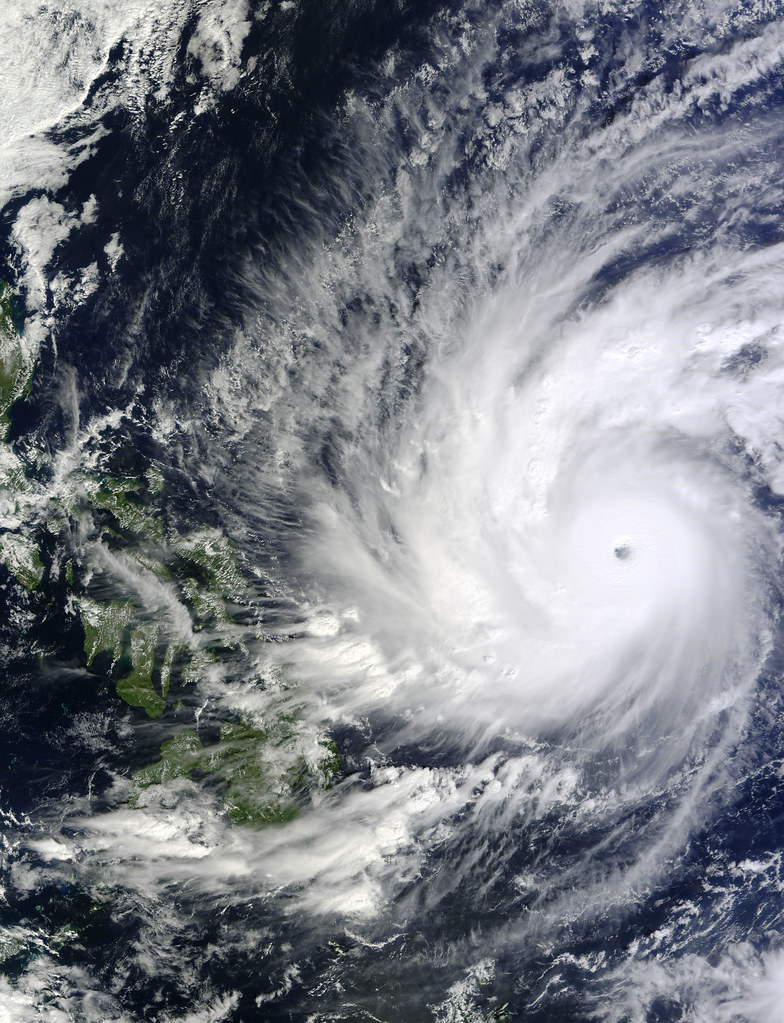
The Philippine Space Agency mission has achieved a remarkable milestone with the successful completion of the ANAHAW mission. This groundbreaking project showcases the capabilities of an all-Filipino crew in space exploration.
Overview of the ANAHAW Mission
The Philippine Space Agency mission, known as the Analog Habitat Waypoint (ANAHAW), marks a significant milestone in the country’s space exploration efforts. This pioneering project was designed to simulate conditions for future space missions, providing invaluable insights into the challenges and requirements of living and working in space.
Conducted in collaboration with Batangas State University, the ANAHAW mission involved an all-Filipino crew who underwent rigorous training and preparation for the unique environment they would encounter. The mission’s objectives included:
- Testing life support systems in a space-like habitat.
- Evaluating crew dynamics and psychological well-being in isolation.
- Gathering data on the sustainability of resources in a closed environment.
- Enhancing local expertise in space science and technology.
Throughout the mission, the team faced various simulated challenges that astronauts might encounter in actual space missions, allowing them to adapt and develop strategies for problem-solving. The successful completion of the ANAHAW mission not only showcases the capabilities of the Philippine Space Agency but also reinforces the country’s commitment to advancing its space program.
The results and findings from this mission will contribute significantly to the planning of future space endeavors, positioning the Philippines as a growing player in the realm of space exploration.
Significance of Filipino Astronauts
The success of the Philippine Space Agency mission, particularly the ANAHAW mission, underscores the importance of developing Filipino astronauts in the growing field of space exploration. As the nation strives to enhance its capabilities in space science, having homegrown astronauts is crucial for fostering a sense of national pride and inspiring future generations.
Filipino astronauts play a significant role in bridging the gap between local scientific communities and global space initiatives. Their involvement can:
- Enhance Local Expertise: Training and sending Filipino astronauts into space can help develop a skilled workforce in science, technology, engineering, and mathematics (STEM) fields.
- Boost National Identity: As representatives of the Philippines on a global stage, astronauts can cultivate a sense of pride and unity among Filipinos.
- Encourage Youth Engagement: The visibility of Filipino astronauts can inspire young minds to pursue careers in space science and exploration, promoting educational programs focused on this area.
- Strengthen International Partnerships: Engaging in collaborative missions can foster relationships with other countries and organizations, enhancing opportunities for knowledge exchange and technological advancement.
Ultimately, the success of the Philippine Space Agency mission, encapsulated in the ANAHAW project, highlights the potential of Filipino astronauts to contribute significantly to the global space community while promoting domestic advancements in space exploration.
Technological Innovations in ANAHAW
The Philippine Space Agency mission has marked a significant milestone in the realm of space exploration technology. The ANAHAW mission showcased several technological innovations that highlight the capabilities of Filipino scientists and engineers.
One of the standout features of the ANAHAW mission was the development of a state-of-the-art habitat designed to simulate the conditions of space. This habitat included:
- Advanced Life Support Systems: These systems ensured the crew had access to clean air, water, and food, mimicking what would be necessary for long-duration space missions.
- Data Collection Instruments: Tools were deployed to monitor physiological and psychological health, providing insights that could enhance future missions both in terms of safety and efficiency.
- Remote Communication Technologies: The mission utilized cutting-edge communication systems to facilitate real-time data sharing with mission control, demonstrating the Philippines’ growing capabilities in satellite and telecommunications technology.
Moreover, the integration of sustainable practices within the habitat—such as recycling waste and utilizing renewable energy sources—underscored a commitment to ecological responsibility as part of the Philippine Space Agency mission. This approach not only prepares astronauts for the future of space travel but also sets a precedent for sustainable practices in terrestrial environments.
Overall, the technological innovations showcased during the ANAHAW mission signify a promising future for the Philippine Space Agency and its contributions to the global space exploration community.
Partnership with Batangas State University
The success of the Philippine Space Agency mission, particularly the ANAHAW initiative, can be largely attributed to its partnership with Batangas State University (BSU). This collaboration has played a vital role in fostering educational opportunities and advancing research in space science and technology within the Philippines.
Batangas State University is renowned for its commitment to innovation and excellence in education, making it an ideal partner for PhilSA. Through this partnership, students and faculty were actively involved in the ANAHAW mission, gaining hands-on experience in various aspects of space exploration and mission planning.
- Student Engagement: The involvement of BSU students in the mission allowed them to apply their academic knowledge in a real-world context, enhancing their learning experience.
- Research Opportunities: Faculty members conducted vital research as part of the mission, contributing to the overall objectives of the ANAHAW initiative.
- Community Outreach: The partnership also facilitated outreach programs that educated the community about space science, inspiring a new generation of scientists and engineers.
This collaborative approach not only strengthened the Philippine Space Agency mission but also positioned Batangas State University as a leader in space education and research. The success of the ANAHAW mission exemplifies the power of partnerships in achieving significant milestones in the realm of space exploration.
Future of Space Exploration in the Philippines
The completion of the ANAHAW mission marks a pivotal moment in the future of space exploration in the Philippines. As the Philippine Space Agency continues to expand its capabilities, the successful execution of this analog mission signals the potential for more complex and ambitious projects in the coming years.
With insights gained from ANAHAW, the agency aims to develop a comprehensive roadmap for future missions that could include satellite launches, lunar exploration, and even potential participation in international space missions. The experiences of the all-Filipino crew not only provide valuable data for future endeavors but also inspire a new generation of scientists, engineers, and astronauts in the country.
Moreover, the Philippine Space Agency’s mission extends beyond technical achievements. It fosters collaboration with educational institutions, private sectors, and international partners, thereby creating a vibrant ecosystem for research and innovation. This collaborative spirit is essential for overcoming the challenges associated with space exploration.
As the agency looks ahead, it envisions a strong emphasis on enhancing local capabilities in space technology and exploration. This includes investing in educational programs, infrastructure, and research initiatives that will empower Filipino scientists and innovators.
Ultimately, the success of the ANAHAW mission serves as a stepping stone towards a brighter future for space exploration in the Philippines, paving the way for the nation to become a key player in the global space community.
The Philippine Space Agency mission has demonstrated significant advancements in satellite technology and data collection. With the proven success of ANAHAW, the agency is poised to enhance disaster response and environmental monitoring across the nation.
By NASA Goddard Photo and Video via Openverse