Rassvet Satellite Network is causing alarm in Ukraine as it raises serious security concerns. This development comes amid heightened geopolitical tensions in the region.
Overview of Rassvet Satellite Network
The Rassvet Satellite Network, developed by Russia, has recently come under scrutiny amid escalating tensions in Ukraine. This network is designed to enhance Russia’s capabilities in reconnaissance and surveillance, raising significant concerns among military analysts and international observers.
Key features of the Rassvet Satellite Network include:
- Advanced Surveillance: Equipped with high-resolution imaging technology, the satellites can monitor troop movements and infrastructure developments across vast distances.
- Real-Time Data Transmission: The network allows for immediate data sharing with military command centers, enhancing decision-making efficiency during operations.
- Increased Coverage: Rassvet expands Russia’s ability to surveil not only Ukraine but also neighboring regions, potentially impacting NATO countries.
Analysts are particularly worried about the implications of this network for Ukraine’s national security. With the ability to track military assets in real time, the Rassvet Satellite Network could give Russia a strategic advantage in any potential conflict. Moreover, the heightened surveillance capabilities may lead to increased military aggression and destabilization in the region.
As the situation evolves, understanding the full impact of the Rassvet Satellite Network will be crucial for policymakers and military strategists both in Ukraine and abroad.
Impact on Ukraine’s Security
The emergence of the Rassvet Satellite Network has raised significant concerns regarding Ukraine’s national security. As Russia expands its surveillance capabilities through this network, experts warn about the potential implications for the region.
With enhanced satellite imagery and real-time data collection, the Rassvet Satellite Network could provide Russian forces with crucial intelligence, enabling them to monitor troop movements and military installations more effectively. This advancement in technology poses a direct threat to Ukraine’s defense strategies.
Key points of concern include:
- Increased Surveillance: The ability of Russian satellites to capture high-resolution images presents a challenge for Ukrainian forces, who may find it harder to conceal their operations.
- Potential for Escalation: Enhanced monitoring could lead to a miscalculation in military responses or an increase in aggressive maneuvers by Russian troops.
- Impact on Civilian Safety: As military actions intensify, the risk to civilian populations rises, especially in conflict zones where satellite data can pinpoint vulnerable areas.
- International Response: The Rassvet Satellite Network’s capabilities may prompt a reevaluation of defense assistance from Western nations to bolster Ukraine’s security measures.
As the situation unfolds, the implications of the Rassvet Satellite Network on Ukraine’s security landscape will continue to be closely monitored by analysts and policymakers alike.
Geopolitical Implications
The emergence of the Rassvet Satellite Network has sparked significant concern among geopolitical analysts regarding its implications for regional stability. As tensions between Ukraine and Russia continue to escalate, the deployment of this advanced satellite network raises questions about surveillance capabilities and military strategy.
Many experts argue that the Rassvet Satellite Network could enhance Russia’s ability to monitor military movements within Ukraine, potentially leading to an increase in hostilities. The integration of sophisticated technology into Russia’s military infrastructure could shift the balance of power in the region, making it essential for Ukraine and its allies to reassess their defense strategies.
The implications extend beyond Ukraine’s borders, affecting international relations across Europe and NATO’s strategic posture. Several key points highlight the broader geopolitical ramifications:
- Increased Surveillance: The Rassvet Satellite Network may provide Russia with real-time intelligence, complicating Ukraine’s military operations.
- Regional Tensions: Neighboring countries are concerned that enhanced Russian capabilities could lead to aggressive posturing.
- NATO Response: The alliance may need to bolster its eastern flank to counter potential threats arising from the satellite network.
- Global Reactions: Western nations are closely monitoring the situation, as any escalation could have far-reaching effects on global security.
In light of these factors, the Rassvet Satellite Network serves as a pivotal element in the ongoing geopolitical landscape, warranting careful observation and response from international stakeholders.
Technological Advancements in Space
The rapid advancements in satellite technology have transformed the landscape of information gathering and military strategy. The Rassvet Satellite Network, developed by Russia, showcases the integration of cutting-edge technology into space capabilities, raising alarm among international observers, particularly in Ukraine.
These technological innovations have led to a range of improvements, including:
- High-resolution imagery: The Rassvet Satellite Network is equipped with advanced imaging systems that can capture detailed views of ground activities, allowing for real-time surveillance.
- Enhanced communication: The network enables secure and rapid data transmission, facilitating swift decision-making in military operations.
- Artificial intelligence integration: Leveraging AI, the satellites can analyze large volumes of data, identifying patterns and potential threats more effectively than ever before.
These advancements pose significant challenges for countries like Ukraine, which must contend with the increased surveillance capabilities of their adversaries. The ability of the Rassvet Satellite Network to monitor troop movements and strategic installations could shift the balance of power in the region.
As nations grapple with the implications of these technological strides, the need for robust countermeasures and enhanced defense strategies becomes increasingly vital. The situation underscores the intersection of technology and geopolitics, where advancements in space can alter the dynamics of security and conflict on Earth.
Responses from Ukrainian Officials
In response to the rising concerns over the Rassvet Satellite Network, Ukrainian officials have voiced their apprehensions regarding its potential implications for national security. The network, which is believed to enhance Russia’s surveillance capabilities, has prompted a swift reaction from various sectors of the Ukrainian government.
Defense Minister Oleksii Reznikov stated, “The Rassvet Satellite Network poses a direct threat to our sovereignty. The enhanced monitoring capabilities could allow for increased military operations against Ukraine.” His remarks highlight the urgent need for Ukraine to bolster its defenses as the satellite network becomes operational.
Additionally, Foreign Minister Dmytro Kuleba emphasized that Ukraine must seek stronger alliances to counteract the threat from the Rassvet Satellite Network. “It is crucial for international partners to understand the implications of these advancements in Russian technology. We call for a united front against any aggressive actions stemming from this initiative,” he said.
Ukrainian military analysts have also raised alarms about the potential for the Rassvet Satellite Network to enhance Russian intelligence capabilities. One analyst noted, “With improved satellite coverage, Russia could gather real-time data on Ukrainian troop movements and logistics, significantly changing the battlefield dynamics.”
These responses illustrate the heightened state of alert within Ukraine as officials grapple with the challenges posed by the evolving capabilities of the Rassvet Satellite Network.
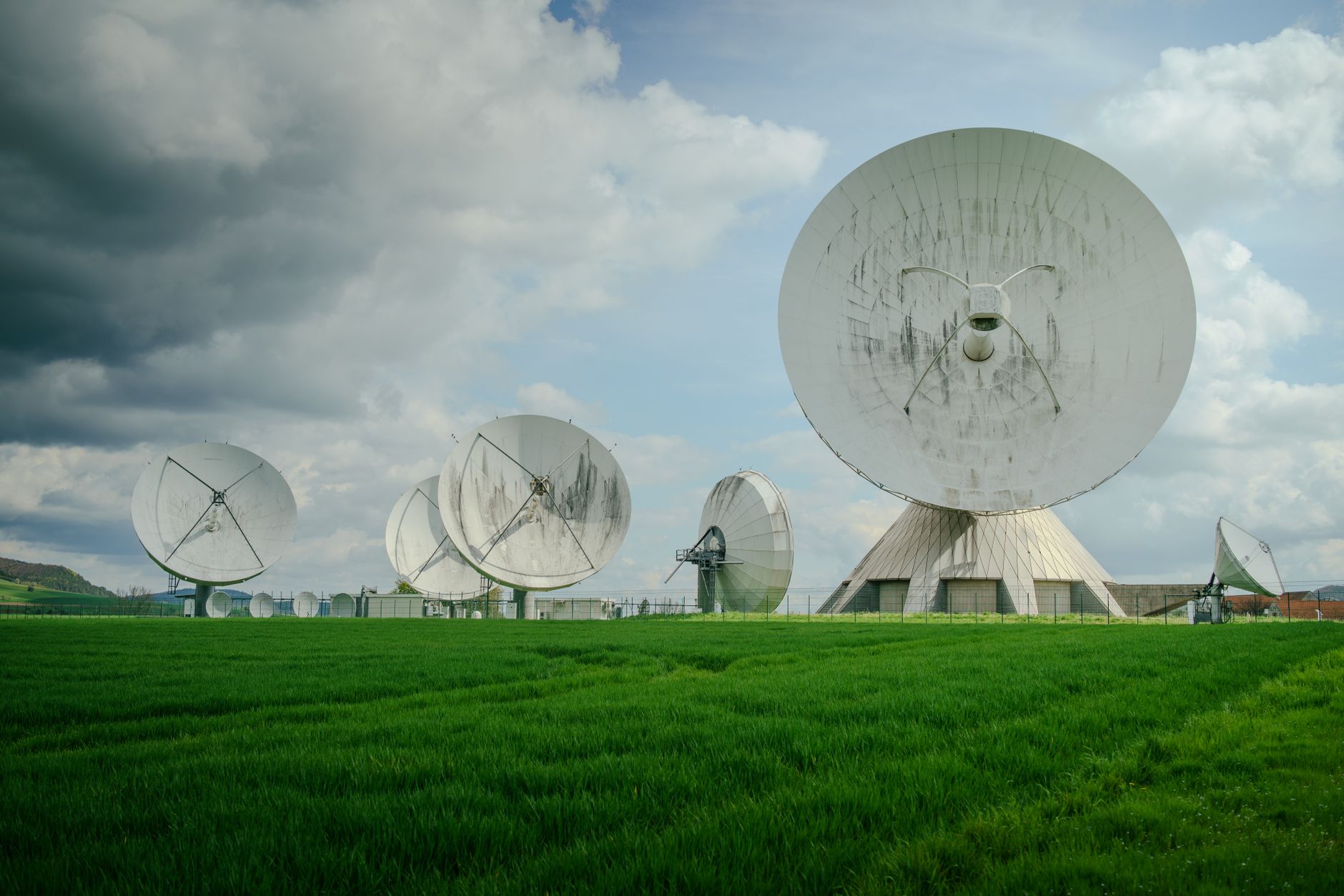
Photo by Der_ Hördt on Pexels